Best Combi Cars for Families and Practical Drivers: A Complete Buying Guide
When it comes to choosing a car that combines versatility, space, and comfort, combi cars (also known as station wagons or estate cars) are often the top choice for families and practical drivers alike. This guide will help you understand what makes a combi car the best option for your needs, key features to look for, and common pitfalls to avoid when buying one.
Overview: What Is a Combi Car?
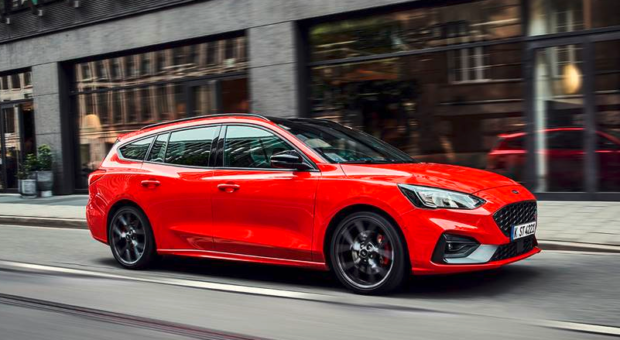
A combi car is a type of vehicle characterized by a larger cargo area integrated with the passenger cabin. Unlike sedans, combis offer extended rear space accessible through a rear hatch or tailgate, making them ideal for transporting both passengers and bulky items.
Why Choose a Combi Over Other Body Types?
- Increased cargo space compared to hatchbacks and sedans.
- Flexible seating arrangements, often with foldable rear seats.
- Better fuel consumption in city traffic compared to SUVs.
- A balanced driving experience with car-like handling and practicality.
Combi cars are particularly popular among families, outdoor enthusiasts, and professionals who require extra space without sacrificing comfort or fuel efficiency.
Key Points to Consider When Choosing the Best Combi Car
1. Size and Interior Space
The amount of passenger and cargo space is crucial. Consider:
- Legroom and headroom in both front and rear seats.
- Cargo volume with seats up and folded down.
- Accessibility of the rear hatch or tailgate.
For example, a midsize combi car like the Volkswagen Passat Variant offers around 650 liters of cargo space with seats up, expanding to over 1,780 liters with seats folded.
2. Fuel Efficiency and Engine Options
Combi cars often come with a variety of engine choices, including petrol, diesel, and hybrids. When evaluating:
- Look for fuel consumption in city traffic and on the highway.
- Diesel engines typically offer better mileage but may have higher maintenance costs.
- Hybrid combis are emerging as options for environmentally conscious drivers.
3. Safety Features and Ratings
Safety is a priority, especially for family vehicles. Check for:
- Advanced driver assistance systems (ADAS) such as lane-keeping assist, automatic emergency braking, and blind-spot monitoring.
- Crash test ratings from recognized institutions like Euro NCAP or IIHS.
- Structural integrity and airbag coverage.
4. Comfort and Technology
Modern combi cars come with features enhancing comfort and convenience:
- Infotainment systems with smartphone integration.
- Climate control with multiple zones.
- Adjustable seats and ample storage compartments.
5. Budget and Total Cost of Ownership
Beyond the purchase price, consider:
- Insurance costs.
- Maintenance and repair expenses.
- Resale value and depreciation.
- Fuel costs based on your typical driving patterns.
Practical Advice for Buying a Combi Car
Assess Your Needs and Usage Patterns
- Do you regularly carry large items or sports equipment?
- How many passengers do you typically transport?
- Is fuel economy important for frequent city driving?
- Will you be driving long distances or mostly short trips?
Answering these questions will help you prioritize features.
Test Drive Multiple Models
A test drive reveals handling, comfort, noise levels, and ease of parking. Pay attention to:
- Visibility from the driver’s seat.
- Ease of loading and unloading cargo.
- Suspension performance on various road surfaces.
Consider Used Combi Cars for Budget-Friendly Options
A used combi can provide excellent value. Remember to:
- Check the vehicle’s maintenance history.
- Inspect for common wear points like suspension components and brakes.
- Verify mileage and previous accident reports.
Explore Different Brands and Models
Some popular combi models to research include:
- Skoda Octavia Combi – known for affordability and practicality.
- Volvo V60 – offers strong safety features and comfort.
- Subaru Outback – combines combi space with off-road capability.
Common Mistakes to Avoid When Choosing a Combi Car
Overlooking Fuel Consumption for City Driving
Many drivers underestimate how fuel consumption increases in stop-and-go traffic. Choose an engine optimized for urban use if you spend most time in the city.
Ignoring Cargo Space Measurements
Don’t rely solely on manufacturer claims. Bring along typical items you carry to test loading ease and fit.
Neglecting Total Cost of Ownership
Low purchase price can be offset by high insurance, maintenance, or fuel costs. Calculate these in advance.
Skipping a Detailed Inspection When Buying Used
Used cars may hide issues. Always get a professional mechanic to inspect before finalizing the purchase.
Forgetting to Check for Modern Safety Features
Older combis might lack current safety technology. Prioritize models with updated features for peace of mind.
Choosing the best combi car means balancing space, comfort, fuel efficiency, and budget. By understanding your specific needs and carefully evaluating available options, you can find a versatile vehicle that supports your daily life and adventures with ease. Whether you opt for a new model or a well-maintained used combi, focusing on these practical aspects ensures a smart and satisfying car purchase.
See also our previous article: How to Reduce Fuel Consumption in Heavy City Traffic: Practical Tips for Urban Drivers