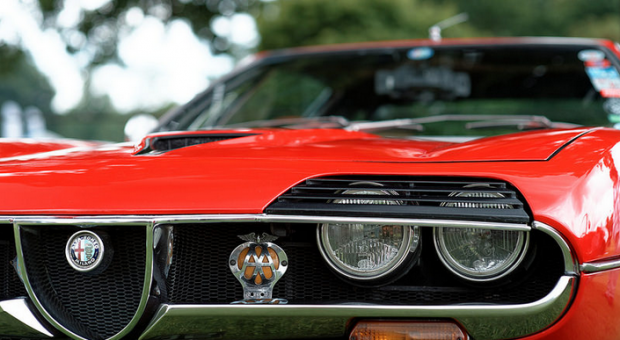
Keeping an old diesel car running smoothly requires a blend of regular maintenance, attentive care, and a bit of know-how. Diesel engines are known for their durability and fuel efficiency, but as they age, certain components demand extra attention to ensure longevity and performance. Whether you’re a seasoned diesel enthusiast or a new owner of a vintage diesel vehicle, this guide will walk you through the essential maintenance tips and tricks to keep your old diesel car on the road for years to come.
Understanding the Basics of Diesel Engines
Before diving into maintenance, it’s helpful to understand what sets diesel engines apart from gasoline counterparts. Diesel engines compress air to a much higher degree, causing fuel to ignite under pressure rather than via spark plugs. This makes them more robust and efficient, especially for heavy-duty use and long-distance driving.
However, older diesel engines may face challenges like injector wear, fuel contamination, and emissions system issues. Awareness of these common concerns will help you tailor your maintenance routine effectively.
Regular Maintenance Tasks for Old Diesel Cars
1. Change the Engine Oil and Filter Frequently
Diesel engines produce more soot and contaminants than gasoline engines, so keeping the oil fresh is critical.
- Use high-quality diesel-specific engine oil.
- Stick to the recommended oil change intervals, or change the oil more often if you drive in harsh conditions.
- Always replace the oil filter during oil changes to prevent clogging and ensure proper oil flow.
2. Replace the Fuel Filters Regularly
Fuel filters trap dirt and water particles, protecting the sensitive fuel injectors and pump.
- Old diesel vehicles often have two filters: a primary (water separator) and a secondary.
- Change both according to your owner’s manual or at least once a year.
- Using a fuel additive occasionally can help clean the injectors and improve combustion.
3. Inspect and Maintain the Air Filter
Clean air is vital for efficient combustion.
- Check the air filter every 10,000 miles or during routine servicing.
- Replace a dirty or clogged air filter promptly to avoid reduced power and higher fuel consumption.
4. Monitor and Clean the Glow Plugs
Glow plugs help start diesel engines, especially in cold weather.
- Over time, glow plugs can wear out or become coated with carbon.
- Test their functionality annually and replace any faulty plugs to ensure smooth starting.
Additional Tips for Diesel Engine Longevity
1. Keep an Eye on the Cooling System
Diesel engines run hotter than gasoline ones, so proper cooling is essential.
- Regularly check coolant levels and top up with the right type.
- Flush and replace the coolant every 2-3 years to prevent corrosion and overheating.
- Inspect hoses and the radiator for leaks or blockages.
2. Pay Attention to the Turbocharger
Many diesel engines come equipped with a turbocharger to improve power and efficiency.
- Allow the engine to idle briefly before shutting down, especially after long or hard drives, to let the turbo cool.
- Listen for unusual noises or a drop in performance, which could signal turbo issues.
- Regular oil changes also help maintain turbocharger health.
3. Regularly Check the Exhaust System
Older diesel cars may have more issues with exhaust leaks or clogged components.
- Inspect the exhaust pipes, muffler, and connections for rust or damage.
- Keep an eye on the condition of the particulate filter (if equipped) and perform regeneration cycles as needed.
Fuel Quality and Driving Habits Matter
Use High-Quality Diesel Fuel
Poor quality fuel can introduce impurities and water that damage the injection system.
- Fill up at reputable fuel stations.
- Consider fuel additives that prevent microbial growth and improve lubrication.
Adapt Your Driving Style
Diesel engines benefit from steady driving at optimal RPMs.
- Avoid frequent short trips, which prevent the engine from reaching optimal temperature and can cause soot buildup.
- Longer drives at moderate speeds help burn off deposits and maintain engine health.
Troubleshooting Common Issues in Old Diesel Cars
Hard Starting or Rough Idle
Possible causes include:
- Worn glow plugs
- Dirty fuel filters
- Air in the fuel system
Loss of Power or Increased Smoke
Could indicate:
- Clogged air filter
- Faulty injectors
- Turbocharger problems
Excessive Fuel Consumption
Check for:
- Tire pressure issues
- Dirty air or fuel filters
- Driving habits
If you encounter persistent problems, consulting a diesel specialist or mechanic familiar with older engines can save time and prevent damage.
Essential Tools and Supplies for DIY Diesel Maintenance
For enthusiasts who prefer hands-on care, having the right tools is important:
- Quality oil filter wrench
- Fuel filter replacement kit
- Compression gauge for testing engine health
- Glow plug tester
- Diagnostic scanner compatible with older diesel systems
Always consult your vehicle’s service manual before attempting repairs or maintenance to ensure safety and accuracy.
—
Maintaining an old diesel car can be a rewarding experience that combines the satisfaction of hands-on care with the joy of driving a durable and efficient vehicle. With regular attention to oil changes, fuel and air filters, glow plugs, cooling system, and driving habits, your diesel engine can continue running reliably for many more miles. Embrace the unique character of your diesel car and enjoy the journey of preserving a classic piece of automotive engineering.