Best SUVs, Pickup Trucks, and City Cars for Everyday Driving: A Practical Guide
When choosing a vehicle for everyday use, it’s important to balance comfort, fuel efficiency, reliability, and practicality. Whether you need the versatility of an SUV, the strength of a pickup truck, or the nimbleness of a city car, understanding the key factors can help you make an informed decision. This guide explores the best options across these vehicle types, focusing on everyday driving needs without diving into electric cars or reviews.
Overview: Everyday Driving Needs and Vehicle Types
Everyday driving often involves commuting, school runs, errands, and occasional longer trips. The vehicles best suited for these tasks vary by lifestyle and environment:
- SUVs provide space, comfort, and a commanding driving position.
- Pickup trucks excel in hauling, towing, and rugged versatility.
- City cars offer easy parking, low fuel consumption, and maneuverability in traffic.
Choosing the right category depends on priorities like passenger capacity, cargo space, fuel consumption in city traffic, and budget constraints.
Key Points to Consider When Choosing Your Vehicle
Fuel Consumption in City Traffic
Fuel consumption is critical, especially for daily urban driving where stop-and-go traffic is common. SUVs and pickup trucks generally consume more fuel than city cars but vary widely:
- Compact SUVs can offer around 25-30 MPG (miles per gallon) in mixed driving.
- Mid-size pickup trucks typically average 18-22 MPG.
- City cars often achieve 35-45 MPG, making them ideal for budget-conscious drivers.
Practicality and Space Requirements
Assess your need for passenger seats and cargo volume:
- SUVs usually seat 5-7 people with flexible cargo space.
- Pickup trucks offer an open bed for heavy or bulky items but limited rear seating.
- City cars focus on small passenger capacity (usually 4-5 seats) and minimal cargo.
Budget and Ownership Costs
Consider initial price, insurance, maintenance, and fuel costs:
- Budget SUVs and pickups can start around $25,000 but may rise with features.
- Cheap city cars often begin under $15,000.
- Used diesel maintenance can be cost-effective but requires attention to specific upkeep.
Reliability and Maintenance
Reliable vehicles reduce downtime and unexpected costs:
- Choose brands with strong reputations for durability.
- Regular servicing, especially for diesel engines, ensures longevity.
- Know the common maintenance tasks for your chosen type, such as brake checks for city cars or suspension upkeep for pickups.
Best SUVs for Everyday Driving and Fuel Efficiency
When looking for an SUV suitable for daily commuting, prioritize models that combine practical size with reasonable fuel consumption:
- Compact SUVs like the Toyota RAV4 or Honda CR-V balance space and efficiency.
- These models often feature fuel-saving technologies like turbocharged engines.
- They offer good visibility and comfortable interiors for families or carpooling.
Tips for Maximizing SUV Fuel Economy
- Avoid aggressive acceleration—smooth driving reduces fuel use.
- Regular tire maintenance (correct pressure) improves mileage.
- Remove unnecessary roof racks or cargo boxes to reduce drag.
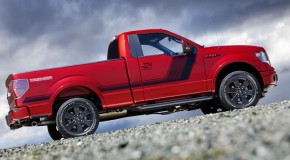
Pickup Trucks: Strength Meets Everyday Use
Pickup trucks serve well beyond construction sites; many drivers use them for daily commutes and weekend activities.
Choosing a Pickup Truck for Daily Driving
- Opt for mid-size pickups like the Ford Ranger or Toyota Tacoma for better fuel economy.
- Consider crew cab versions if you need rear passenger space.
- Look for models with advanced safety features for urban driving.
Practical Advice for Pickup Truck Owners
- Use the bed cover to protect cargo and improve aerodynamics.
- Plan for slightly higher fuel consumption during city driving.
- Regularly check brakes and suspension due to heavier vehicle weight.
City Cars: The Budget-Friendly Urban Companion
City cars are designed for tight spaces, low fuel consumption, and easy parking.
Characteristics of a Cheap City Car
- Small footprint, often under 4 meters long.
- Engine sizes typically range from 1.0 to 1.4 liters for optimal fuel economy.
- Low insurance and maintenance costs make them ideal for beginners.
Popular City Car Features to Consider
- Manual vs. automatic transmission depending on traffic conditions.
- Advanced infotainment and safety features like rearview cameras.
- High visibility and compact turning circles for maneuvering tight streets.
Common Mistakes When Choosing a Vehicle for Everyday Driving
Avoid these pitfalls to ensure your vehicle matches your daily needs:
- Overestimating space needs: Buying a large SUV or pickup without using full capacity wastes fuel and money.
- Ignoring fuel consumption: Selecting a powerful engine for city driving can lead to excessive fuel costs.
- Neglecting maintenance costs: Diesel pickups may have lower fuel costs but higher upkeep if not properly maintained.
- Skipping test drives: Always test drive in city traffic to assess visibility, comfort, and handling.
- Ignoring resale value: Some models depreciate faster, affecting long-term ownership costs.
Balancing Comfort, Cost, and Practicality in Your Car Comparison
When comparing new cars, focus on how each model fits your lifestyle. Use long-tail keywords like “budget car for beginners” or “used diesel maintenance tips” to research owner experiences and cost-to-own analyses. Reading car news updates can also help you stay informed about upcoming models and reliability reports.
Choosing the best SUV, pickup truck, or city car for everyday driving boils down to matching vehicle capabilities with your daily routine. Whether you prioritize fuel economy in city traffic, hauling capacity, or ease of parking, understanding these factors equips you to make a confident choice that suits both your budget and lifestyle.
See also our previous article: Manual vs Automatic Transmissions: Pros, Cons, and Long-Term Ownership Costs Explained