When it comes to buying a car, whether new or used, depreciation is a key factor that often influences a buyer’s decision. Why do some vehicles lose their value rapidly, while others hold onto it much better over time? Understanding the reasons behind varying depreciation rates can help buyers make smarter choices, whether they’re looking for an investment that lasts or simply want to avoid losing money too quickly.
What Is Car Depreciation?
Car depreciation refers to the decline in a vehicle’s value over time. From the moment a new car drives off the dealership lot, its value drops. While all cars lose value, the pace of this drop can vary widely based on multiple factors.
Knowing why some cars depreciate faster can empower you to choose vehicles that maintain their value longer, saving money in the long run.
Major Factors Influencing Car Depreciation
Initial Quality and Brand Reputation
Cars from manufacturers with strong reputations for reliability and quality tend to depreciate slower. Buyers trust these brands, which keeps demand higher in the used market.
- Reliable brands such as Toyota, Honda, and Subaru often retain value better.
- Exotic luxury brands might depreciate quickly if they come with high maintenance costs or are less practical as used cars.
Vehicle Segment and Popularity
The category of the car plays a big role. Popular segments tend to have slower depreciation because there’s a wider market of interested buyers.
- SUVs and crossovers, currently very popular, generally hold value better.
- Sedans, especially mid-size and full-size, have seen faster depreciation due to changing consumer preferences.
- Electric and hybrid cars may depreciate quickly if technology advances rapidly, making older models obsolete or less appealing.
Initial Purchase Price and Features
Expensive cars with a high initial price tag often experience rapid depreciation in percentage terms. This is because high-end models depreciate more steeply as they lose their “new car” appeal.
- Cars loaded with costly options or luxury features might lose value faster if those features aren’t highly sought after in the used market.
Vehicle Condition and Mileage
The state of the car directly impacts its resale value. Higher mileage and poor maintenance accelerate depreciation.
- Regular servicing, keeping mileage low, and maintaining the bodywork help slow depreciation.
- Cars with accident histories or mechanical issues face faster value loss.
Supply and Demand Dynamics
The used car market fluctuates based on supply and demand.
- If a model saturates the used market, prices tend to drop.
- Limited-edition or rare models may retain value better due to scarcity.
- Market trends and fuel costs can shift demand for certain types, influencing depreciation.
Additional Influences on Car Depreciation
Fuel Efficiency and Running Costs
As gas prices fluctuate and environmental concerns grow, cars with poor fuel economy often depreciate faster. Buyers increasingly favor efficient or alternative-fuel vehicles.
Safety Ratings and Technology Updates
Modern safety features and infotainment systems add to a car’s appeal. Models lacking current safety tech or considered outdated can lose value more quickly.
- Cars with advanced driver-assistance systems (ADAS) tend to keep value better.
- Older models without key tech updates might struggle on the resale market.
Warranty and Ownership Costs
A remaining factory warranty can reassure buyers and slow depreciation. Conversely, high costs for repairs, insurance, and parts can make certain models less attractive used.
Examples of Cars That Depreciate Quickly vs. Those That Hold Value
Cars That Depreciate Faster
- Large luxury sedans (e.g., BMW 7 Series, Mercedes S-Class) often lose a significant portion of value in the first few years.
- Electric vehicles with rapid tech advances can become outdated quickly.
- Mainstream sedans in segments declining in popularity (e.g., mid-size sedans) often see sharper depreciation.
Cars That Hold Value Better
- Compact SUVs and crossovers (e.g., Toyota RAV4, Honda CR-V) remain in high demand, offering more stable resale prices.
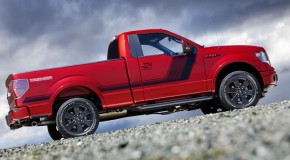
- Pickup trucks, especially from brands like Ford and Toyota, tend to retain value due to consistent demand.
- Certain sporty or iconic models with strong enthusiast followings can maintain or even appreciate in value.
Tips to Minimize Depreciation Impact When Buying a Car
Choose the Right Vehicle
Focus on brands and models known for strong resale value. Research depreciation trends before committing.
Consider Certified Pre-Owned (CPO) Vehicles
CPO cars are usually well-maintained, come with extended warranties, and have already undergone initial depreciation, making them a cost-effective choice.
Keep It Well Maintained
Routine service, keeping detailed maintenance records, and maintaining the car’s appearance all help preserve resale value.
Limit Modifications
Extreme aftermarket modifications can alienate buyers and reduce resale value.
Be Mindful of Mileage
Try to keep annual mileage within average limits (typically about 12,000 miles per year). Excess mileage reduces value.
Understanding why some cars depreciate faster helps turn the often daunting process of buying or selling a vehicle into an informed, strategic choice. Whether your goal is to get the most resale value or just avoid major losses, keeping these factors in mind leads to smarter and more satisfying automotive decisions. After all, a car that holds its value well is a car that keeps giving back — long after the initial purchase.