Insurance and Ownership Costs Uncovered: What First-Time Car Buyers Need to Know
Buying your first car is exciting but can quickly become overwhelming, especially when factoring in insurance premiums and ongoing ownership expenses. Understanding these costs upfront can save you money and frustration down the road. This review-style guide breaks down the essentials for first-time buyers, highlighting the pros, cons, and real-life considerations around insurance and ownership costs.
Who Is This Guide For?
If you’re a first-time car buyer looking for a practical, budget-friendly vehicle, this article is tailored for you. Whether you’re searching for a cheap city car or a reliable budget car for beginners, you’ll find insights to help you choose wisely and avoid common pitfalls. It’s also ideal if you want to understand the financial aspects beyond just the sticker price.
Why Insurance and Ownership Costs Matter More Than You Think
Many first-time buyers focus solely on the purchase price but underestimate the impact of insurance premiums, fuel consumption in city traffic, maintenance, and depreciation. These ongoing expenses can easily double or triple your monthly car budget.
Key Ownership Costs to Consider:
- Insurance premiums: Influenced by car model, driver age, location, and driving history.
- Fuel consumption: Especially critical for city driving where stop-and-go traffic is common.
- Maintenance and repairs: Includes servicing, tires, brakes, and unexpected fixes.
- Depreciation: The value lost over time, which impacts resale price.
- Taxes and registration fees: Often overlooked but recurring costs.
Pros of Choosing a Budget Car for Beginners
Starting with a budget-friendly, easy-to-insure vehicle has multiple advantages:
- Lower insurance premiums: Small hatchbacks or sedans with smaller engines usually cost less to insure.
- Fuel efficiency: Models known for low fuel consumption in city traffic reduce your running costs.
- Affordable maintenance: Parts and servicing for popular models tend to be cheaper and widely available.
- Simpler ownership: Less complex technology means fewer expensive repairs.
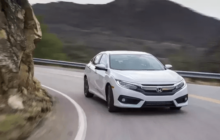
For example, a used compact car like the Honda Civic or Toyota Corolla often scores well on insurance affordability and maintenance reliability, making them excellent first cars.
Cons to Watch Out For
While budget cars suit many first-time buyers, there are some drawbacks to keep in mind:
- Limited features: Safety and comfort features may be basic on cheaper models.
- Older used cars: Can come with hidden maintenance issues, especially if not inspected carefully.
- Resale value: Cheaper cars may depreciate faster, affecting your long-term investment.
- Insurance surprises: Some models, despite size, might attract higher premiums due to theft rates or repair costs.
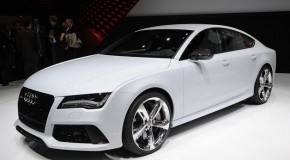
For instance, some sporty compact models might be tempting but can lead to higher insurance quotes for inexperienced drivers.
What to Look for in Real-Life Buying Scenarios
When shopping for your first car, consider these practical tips:
Assess Insurance Costs Early
Before committing, get insurance quotes on shortlisted models. Use online comparison tools and factor in your age, location, and driving record.
Check Fuel Efficiency Data
Look for official fuel consumption figures, especially for stop-start city traffic. Cars like the Ford Fiesta or Volkswagen Polo typically offer good fuel economy in urban environments.
Inspect Maintenance History and Costs
If buying used, request full service records and research common repairs for the model. Some diesel engines might offer fuel savings but come with higher maintenance costs—know the difference between used diesel maintenance and petrol alternatives.
Evaluate Total Cost of Ownership
Calculate monthly expenses by combining insurance, fuel, servicing, and taxes. This will give a realistic picture of your budget.
Test Drive in City Conditions
Experience the car in real traffic to assess comfort, visibility, and ease of parking — all crucial for daily city driving.
Real-World Examples of Ownership Costs
- Example 1: A 22-year-old driver in a metropolitan area chooses a used Ford Fiesta. Insurance quote: $1,200/year. Fuel consumption: 30 mpg in city traffic. Annual maintenance: $500. Total yearly cost (insurance + fuel + maintenance): approximately $3,000.
- Example 2: A first-time buyer opts for a used diesel Volkswagen Golf. Insurance: $1,500/year. Better fuel economy but diesel maintenance costs add $800/year. Unexpected repairs for turbo components can push costs higher.
- Example 3: A budget-conscious buyer picks a basic 5-year-old Toyota Yaris. Insurance: $1,000/year. Fuel consumption: 32 mpg urban. Maintenance is minimal due to reliability. Overall ownership cost is among the lowest in its class.
These scenarios show how choices affect overall affordability beyond the initial price tag.
Final Thoughts for First-Time Car Buyers
Understanding the interplay between insurance costs and ownership expenses is crucial for making a savvy purchase. Focus on vehicles with a proven track record for reliability, affordable insurance, and fuel efficiency, especially in city traffic conditions. Taking the time to research and realistically budget can turn your first car from a financial burden into a smart investment that fits your lifestyle.
Looking for more in-depth information? You can also read one of our full guides here: New Car Comparison Guide: Features, Reliability, Running Costs, and Resale Value Explained.
Read the previous review: Cold Weather Driving Review: How Your Car Handles Winter Roads and What to Expect