American Muscle Match-Up: Dodge Challenger R/T Scat Pack vs. Chevrolet Camaro SS vs. Ford Mustang GT
When it comes to V8-powered performance at a reasonable price, few segments are as iconic as American muscle cars. The Dodge Challenger R/T Scat Pack, Chevrolet Camaro SS, and Ford Mustang GT each offer a unique take on power, handling, and daily usability. Let’s explore how these three rivals stack up.
1. Powertrain and Performance
Dodge Challenger R/T Scat Pack
-
Engine: 6.4L HEMI V8
-
Horsepower: 485 hp
-
Torque: 644 Nm
-
0–60 mph: Around 4.3 seconds
-
Transmission: 6-speed manual or 8-speed automatic
-
Drivetrain: Rear-wheel drive
Chevrolet Camaro SS
-
Engine: 6.2L V8
-
Horsepower: 455 hp
-
Torque: 617 Nm
-
0–60 mph: Around 4.0 seconds
-
Transmission: 6-speed manual or 10-speed automatic
-
Drivetrain: Rear-wheel drive
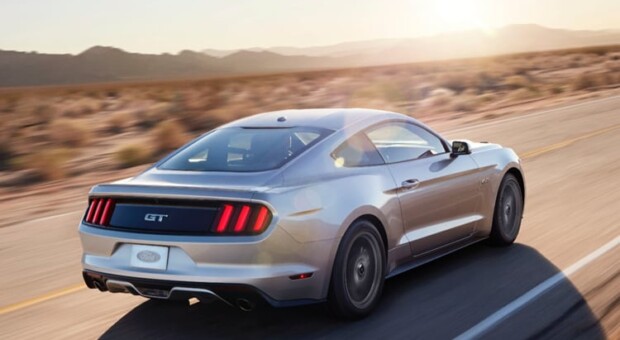
Ford Mustang GT
-
Engine: 5.0L V8
-
Horsepower: 480 hp
-
Torque: 562 Nm
-
0–60 mph: Around 4.2 seconds
-
Transmission: 6-speed manual or 10-speed automatic
-
Drivetrain: Rear-wheel drive
Analysis:
The Camaro SS edges out slightly in sprint times due to its weight and responsive gearbox. The Scat Pack delivers the most torque and feels brutish, while the Mustang GT finds a middle ground with a rev-happy engine and great sound.
2. Driving Experience
Challenger R/T Scat Pack
The largest and heaviest of the three, offering a stable, cruiser-style ride. It’s more suited to straight-line acceleration than tight corners but delivers impressive comfort and raw V8 appeal.
Camaro SS
Tuned for sharp handling, it has a lower driving position and a sports car feel. The steering is direct, and body roll is minimal, making it a solid track-day contender.
Mustang GT
Balanced and engaging. The Mustang combines strong midrange power with communicative steering and excellent suspension tuning. It’s an agile performer both on the street and on track.
3. Interior and Features
Challenger R/T Scat Pack
Retro-styled cabin with large seats and good visibility. Uconnect infotainment is easy to use. Materials are solid, and rear seats are usable, offering real space for adults.
Camaro SS
The interior feels modern, but rear visibility and space are limited. The infotainment screen is slightly angled downward, but features like wireless Apple CarPlay and a digital cluster are welcome.
Mustang GT
The cabin strikes a balance between retro charm and modern tech. Recaro seat options add a performance touch. SYNC 4 is responsive and easy to navigate.
4. Practicality and Daily Use
| Model | Seating Capacity | Trunk Space | Daily Comfort |
|---|---|---|---|
| Challenger | 5 | 459 liters | Very spacious, best for commuting |
| Camaro | 4 | 258 liters | Tight interior, limited visibility |
| Mustang | 4 | 382 liters | Decent space, comfortable ride |
Analysis:
The Challenger is the most practical for families or those needing daily space. The Mustang offers a great compromise between sport and utility. The Camaro prioritizes performance but sacrifices rear seat space and outward visibility.
5. Pricing and Value
| Model | Starting Price (USD) | Fully Loaded |
|---|---|---|
| Challenger R/T Scat Pack | ~$47,000 | ~$55,000 |
| Camaro SS | ~$44,000 | ~$53,000 |
| Mustang GT | ~$45,000 | ~$54,000 |
Analysis:
All three deliver great value for the horsepower. The Camaro tends to undercut the others slightly in price, while the Challenger offers the most muscle-car character. The Mustang GT is priced competitively with strong resale value.
Final Thoughts
-
Choose the Dodge Challenger R/T Scat Pack if you prioritize straight-line speed, a spacious interior, and classic muscle car attitude.
-
Choose the Chevrolet Camaro SS if your focus is handling, modern chassis dynamics, and raw performance.
-
Choose the Ford Mustang GT if you want a balanced muscle car with great road manners, iconic design, and real-world usability.
Each of these vehicles represents a different flavor of American performance — whether you lean toward nostalgic muscle or sharp driving precision, there’s a compelling choice waiting on the road.