Automatic vs Manual Gearbox: Which Transmission Wins in Daily City Traffic?
Navigating daily traffic with the right gearbox can make or break your driving experience. Whether you’re hunting for a cheap city car or a budget car for beginners, understanding the strengths and weaknesses of automatic and manual transmissions is crucial. This review digs into how these gearboxes perform in real-world urban driving, fuel consumption in city traffic, and what to watch out for when making your choice.
Who Is This Gearbox Review For?
Before diving into the pros and cons, it’s important to identify who benefits most from each transmission type.
Ideal Drivers for Manual Gearboxes
- Enthusiasts who enjoy greater control over gear shifts.
- Those looking for cheaper used cars with lower initial costs.
- Drivers in areas with less congested traffic or rural settings.
- Budget-conscious buyers prioritizing lower maintenance costs.
Who Should Consider an Automatic Transmission?
- Commuters facing heavy stop-and-go traffic daily.
- Drivers seeking ease of use without constant clutching.
- Those interested in the latest new cars equipped with smooth automatics.
- City dwellers valuing convenience over driving engagement.
Pros of Manual Gearboxes in Daily Driving
Manual gearboxes have a loyal following for several reasons, especially among those who value driving involvement.
- Fuel Efficiency: Manuals often deliver better fuel consumption in city traffic due to direct power transfer and the ability to shift gears optimally.
- Lower Purchase Price: A manual car can cost up to 15% less than its automatic counterpart.
- Cheaper Repairs and Maintenance: Clutch replacements and routine upkeep tend to be less expensive than complex automatic transmission repairs.
- Driver Control: Precise gear selection can improve acceleration and engine braking in traffic.
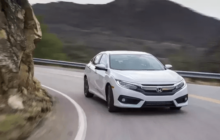
Take, for example, a budget car for beginners like a used Honda Civic with a manual gearbox. It offers a straightforward driving experience and can achieve around 30 mpg in urban conditions, helping keep running costs low.
Cons of Manual Gearboxes for City Commuters
Despite the advantages, manual gearboxes have drawbacks, especially in stop-and-go city environments.
- Driver Fatigue: Constant clutch operation in heavy traffic can be tiring.
- Learning Curve: Beginners often find manual transmissions challenging, leading to stalling or jerky starts.
- Resale Challenges: Fewer buyers seek manuals, potentially lowering resale value.
- Traffic Jam Hassles: Repeated gear changes can become annoying during rush hours.
Consider a driver commuting in a used diesel maintenance-heavy area with frequent traffic lights—manual shifting can quickly become tiresome and less practical.
Advantages of Automatic Transmissions in Urban Traffic
Automatic gearboxes have made leaps in technology, offering a smooth and stress-free driving experience in city settings.
- Ease of Use: No clutch means less hassle in stop-and-go traffic.
- Improved Comfort: Smooth gear shifts reduce driver fatigue.
- Modern Fuel Economy: New automatics with CVT or dual-clutch systems often rival or surpass manuals in fuel consumption.
- Better for Traffic: Easier to focus on road conditions without gear shifting distractions.
For instance, a new car like the Toyota Corolla with a CVT automatic can deliver around 32 mpg in city traffic, providing a comfortable commute with minimal driver input.
Drawbacks of Automatic Gearboxes in Daily Use
However, automatics aren’t flawless and come with their own set of considerations.
- Higher Initial Cost: New cars with automatics typically cost more upfront.
- Maintenance Complexity: Repairs on automatic transmissions can be pricey and specialized.
- Driving Engagement: Some drivers feel disconnected without manual control.
- Potential Fuel Penalties: Older or poorly tuned automatics might consume more fuel in city traffic.
A cheap city car with an outdated automatic may suffer from sluggish gear changes and poorer fuel economy, affecting the overall driving experience.
Real-World Scenarios: Automatic vs Manual in Traffic
Scenario 1: Morning Commute in Dense City Traffic
- Automatic: The driver enjoys seamless acceleration, no clutch fatigue, and better focus on surrounding cars.
- Manual: The driver must frequently engage the clutch, causing tired legs and potential frustration during frequent stops.
Scenario 2: Weekend Drive on Open Roads
- Manual: Offers more spirited driving, with greater control over gear selection and engine performance.
- Automatic: Provides relaxed cruising but may feel less engaging for enthusiasts.
Scenario 3: Budget Car for Beginners in Urban Environments
- Manual: Lower purchase price and maintenance, but requires learning clutch control.
- Automatic: Easier for new drivers but higher upfront costs may strain budgets.
What to Look For When Choosing Between Automatic and Manual
- Test Drive in Real Traffic: Feel how each gearbox handles stoplights, congestion, and highway merges.
- Check Fuel Consumption Figures: Compare official and real-world MPG for city driving.
- Consider Long-Term Maintenance Costs: Factor in clutch replacements or automatic transmission servicing.
- Think About Resale Value: Research demand for manual vs automatic in your local market.
- Assess Your Comfort Level: Are you willing to master a clutch or prefer a hassle-free drive?
Choosing between automatic and manual gearboxes isn’t just about preference—it’s about matching the transmission to your daily driving demands and lifestyle.
Driving in city traffic presents unique challenges, and your gearbox choice plays a significant role in comfort, fuel economy, and cost of ownership. Whether you lean toward the engagement and efficiency of a manual or the convenience and ease of an automatic, understanding these factors will help you pick the right car for your everyday journey.
Looking for more in-depth information? You can also read one of our full guides here: How to Reduce Fuel Consumption in Heavy Urban Traffic: A Practical Guide for City Drivers.
Read the previous review: Buying a Used Car from Germany: Key Benefits, Risks, and What to Watch Out For