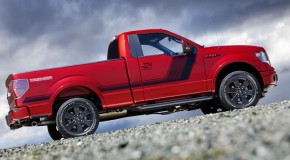
Romanian Road Conditions Test: Suspension, Tyres, and Durability Insights
Driving in Romania offers a unique challenge for car owners, especially when it comes to suspension wear, tyre grip, and overall vehicle durability. From uneven rural roads to city streets with potholes, understanding how your car copes in these environments is crucial for maintenance, safety, and long-term cost savings.
Who is This Driving Test for? Understanding the Romanian Road Impact
If you’re a daily commuter in Bucharest, a weekend traveler exploring Transylvania’s countryside, or someone considering buying a used car in Romania, this guide is tailored for you. Romanian roads vary drastically:
- Urban areas: Frequent potholes and tram tracks demanding nimble suspension.
- Rural and mountain roads: Gravel, dirt, and uneven surfaces testing tyre endurance.
- Long-distance routes: Mixed asphalt quality challenging overall car durability.
Drivers looking for a budget car for beginners or a cheap city car must particularly grasp how road conditions affect their vehicle’s components. The knowledge also benefits anyone interested in used diesel maintenance or car comparison for vehicles suited to Romanian terrains.
Pros: Cars Built or Modified to Endure Romanian Roads
Certain vehicles and setups handle Romania’s challenging roads better than others. Here’s what works well:
- Robust suspension systems: Cars with reinforced shock absorbers and higher ground clearance absorb shocks from potholes and uneven surfaces effectively.
- Durable tyres with reinforced sidewalls: All-season tyres or those designed for mixed terrain reduce punctures and improve grip on gravel roads.
- Solid chassis and underbody protection: Vehicles with skid plates or rust-resistant coatings fare better against wear caused by rough roads and winter salt.
- Affordable maintenance: Brands with widely available spare parts in Romania tend to lower repair costs, a crucial factor for budget-conscious drivers.
For example, many Romanian drivers prefer models like the Dacia Duster or certain Skoda SUVs because of their balance between cost, durability, and adaptability to local road conditions.
Cons: Challenges and Common Issues on Romanian Roads
Driving in Romania also exposes cars to unique drawbacks:
- Suspension wear and tear: Frequent potholes accelerate the wear of shock absorbers, springs, and bushings, sometimes requiring replacement every 30,000-50,000 km.
- Tyre damage and uneven wear: Sharp stones and rough asphalt contribute to faster tread loss and sidewall cuts, demanding more frequent tyre replacements.
- Rust and corrosion: Winter road salt and moisture increase the risk of corrosion, especially on older cars without proper underbody treatments.
- Fuel consumption in city traffic: Stop-and-go conditions combined with rough terrain can slightly increase fuel consumption, especially in older or heavier vehicles.
For drivers using a cheap city car for daily commuting, these issues can translate into higher ongoing expenses if vehicle preparation or maintenance is neglected.
Real-World Scenarios: What to Look for When Buying or Maintaining a Car in Romania
Spotting Suspension Problems Early
During test drives, listen for:
- Clunking or knocking sounds over bumps.
- Excessive body roll or instability in turns.
- Uneven tyre wear patterns.
Try driving over a variety of surfaces—cobblestone streets, pothole-ridden roads, and smooth highways—to assess how the suspension copes.
Choosing the Right Tyres for Mixed Road Conditions
Consider:
- All-season or reinforced tyres rated for mixed terrain.
- Tyre brands with proven durability in Eastern European climates.
- Regular pressure checks and timely replacements (usually every 40,000 km or sooner if damaged).
Assessing Durability in Used Cars
When buying used:
- Look for rust spots under the chassis and wheel arches.
- Check service records for suspension and tyre replacements.
- Inspect underbody protection and any aftermarket modifications.
Maintenance Tips for Longevity
- Schedule suspension inspections at least every 20,000 km.
- Rotate tyres regularly to ensure even wear.
- Wash the undercarriage after winter to remove corrosive salt.
- Use quality shock absorbers and springs recommended for rough terrain.
Romanian Roads Demand Smart Choices: Tailoring Your Car to the Challenge
Whether you’re navigating city traffic or the rugged countryside, understanding how Romanian road conditions affect your car’s suspension, tyres, and overall durability can save you money and stress. Choosing a vehicle with robust components, performing regular maintenance, and adapting your driving style to the terrain ensures your car stays reliable and safe.
If you’re hunting for new cars designed to handle such roads or need advice on the best used diesel maintenance strategies, focusing on these factors will keep you ahead of typical road-related issues in Romania.
Looking for more in-depth information? You can also read one of our full guides here: How to Slash Car Repair Bills with Easy DIY Maintenance Tasks Anyone Can Do.
Read the previous review: How Interior Quality and Comfort Hold Up After Long-Term Driving: A Real-World Review