Best Cars for New Drivers and First-Time Owners: A Practical Guide to Choosing Your First Vehicle
Buying your first car is an exciting milestone, but it comes with many decisions. For new drivers and first-time owners, choosing the right vehicle means balancing safety, affordability, and practicality. This guide will help you navigate the options and understand key factors like fuel consumption in city traffic, maintenance costs, and what features to prioritize.
Overview: What Makes a Car Ideal for New Drivers?
When searching for the best cars for beginners, it’s essential to focus on characteristics that support safe and confident driving. New drivers often face challenges such as adapting to traffic flow, parking in tight spots, and managing unexpected situations on the road.
Key factors to consider include:
- Safety features: Look for cars with strong crash test ratings, airbags, and electronic stability control.
- Size and maneuverability: Compact or subcompact cars are easier to handle and park, especially in urban environments.
- Fuel efficiency: Budget cars for beginners should offer good fuel consumption in city traffic to keep running costs low.
- Affordability: Both purchase price and ongoing maintenance costs must be manageable.
- Reliability: A vehicle with a solid reputation for low repair needs reduces stress and unexpected expenses.
Key Points to Consider When Choosing a Budget Car for Beginners
Safety and Driver Assistance Technologies
New drivers benefit from extra safety nets. While most entry-level cars come with basic safety equipment, some include helpful driver assistance features:
- Anti-lock braking system (ABS)
- Electronic stability control (ESC)
- Rearview camera or parking sensors
- Lane departure warnings (on newer models)
Even if you’re considering a used car, prioritize models known for strong safety ratings to protect yourself on the road.
Size and Practicality: Why Compact Cars Are Popular
Cheap city cars and small hatchbacks are excellent choices for first-time owners. Their compact size:
- Makes parking easier in crowded urban areas
- Improves maneuverability in heavy traffic
- Often results in better fuel economy
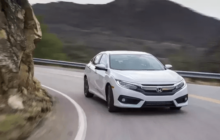
Examples include compact hatchbacks and small sedans, which strike a balance between space and convenience.
Fuel Consumption in City Traffic: Saving Money Every Day
Fuel efficiency is a critical factor, especially for daily commuters or learners practicing in city traffic. Cars with smaller engines and efficient transmissions tend to excel here.
- Look for vehicles with at least 30 miles per gallon (mpg) in city conditions.
- Manual transmissions can sometimes offer better fuel economy but require more skill.
- Avoid large SUVs or trucks that typically consume more fuel in stop-and-go traffic.
Maintenance Costs and Reliability: Avoiding Surprises
New drivers often underestimate the ongoing costs associated with car ownership. To keep expenses down:
- Choose models with a reputation for low maintenance costs.
- Consider used diesel maintenance costs carefully; while diesel engines may be durable, parts and servicing can be pricier.
- Check for availability and cost of spare parts.
- Review user forums and car news sources to understand common issues.
Practical Advice for First-Time Car Buyers and New Drivers
Budgeting Beyond the Purchase Price
Buying your first car isn’t just about the sticker price. Factor in:
- Insurance premiums (typically higher for new drivers)
- Fuel costs based on your typical driving patterns
- Regular servicing and unexpected repairs
- Registration and taxes
Creating a realistic budget helps avoid financial strain.
Test Driving and Car Comparison Tips
Before making a decision:
- Test drive multiple models to assess comfort, visibility, and ease of control.
- Compare cars side-by-side to evaluate features and fuel efficiency.
- Pay attention to blind spots and braking responsiveness.
- Consider asking experienced drivers or mechanics for advice.
Tips for Learning to Drive Safely in Your New Car
- Familiarize yourself with all controls before driving.
- Practice in low-traffic areas to build confidence.
- Avoid distractions like mobile phones or loud music.
- Gradually increase driving complexity, including night or highway driving.
Common Mistakes New Drivers and First-Time Owners Make
Overestimating Their Driving Skills
Many new drivers choose cars that are too powerful or large, which can be difficult to control and increase accident risk.
Neglecting Total Cost of Ownership
Focusing solely on the purchase price without considering insurance, fuel, and maintenance can lead to unexpected financial burdens.
Ignoring Safety Ratings and Features
Skipping important safety features to save money can compromise protection on the road.
Buying Without Proper Research or Inspection
Failing to check vehicle history or skipping a professional inspection—especially when buying used—can result in costly repairs.
Choosing the right car for your first driving experience sets the foundation for safe and enjoyable journeys. By prioritizing safety, fuel efficiency, and manageable maintenance, new drivers and first-time owners can find vehicles that fit their lifestyle and budget. Take time to research, compare, and test drive before making a decision that will serve you well for years to come.
See also our previous article: Which Cars Hold Their Value Best After Five Years? A Practical Guide for Savvy Buyers