Best Cars for New Drivers and First-Time Owners: A Practical Guide to Choosing Your First Vehicle
Buying your first car is an exciting milestone, but it can also be overwhelming. For new drivers and first-time owners, selecting the right vehicle involves more than just picking a stylish model. Factors such as safety, fuel consumption in city traffic, budget, and ease of maintenance should all guide your decision. This comprehensive guide breaks down everything you need to know to choose the best car suited to your needs as a beginner behind the wheel.
Overview: What Makes a Good Car for New Drivers?
When searching for a budget car for beginners, several key characteristics stand out:
- Safety: High safety ratings and driver assistance features can help prevent accidents.
- Affordability: Low purchase price and reasonable running costs reduce financial strain.
- Ease of handling: Cars with good visibility, responsive steering, and manageable size are easier to control.
- Fuel efficiency: Especially important for city driving, where stop-and-go traffic can inflate fuel consumption.
- Reliability: A dependable vehicle minimizes unexpected breakdowns and expensive repairs.
Choosing a car that balances these elements will provide peace of mind and build confidence during those crucial first months on the road.
Key Points to Consider When Choosing a Cheap City Car
Safety Features and Ratings for New Drivers
Safety should be the top priority. Look for cars equipped with:
- Anti-lock Braking System (ABS)
- Electronic Stability Control (ESC)
- Multiple airbags
- Rearview camera or parking sensors
Checking independent crash test results from organizations like Euro NCAP or IIHS can give you insight into a car’s safety performance.
Fuel Consumption in City Traffic
City driving often involves idling at traffic lights, frequent stops, and short trips. Cars with smaller engines or efficient petrol engines tend to perform better in terms of fuel economy. For example, a compact hatchback with a 1.2-liter petrol engine might average around 30 miles per gallon (mpg) in urban conditions, helping keep fuel expenses down.
Size and Maneuverability
A smaller car is easier to park and navigate through congested streets. Hatchbacks and subcompact cars are popular choices due to their tight turning radius and good visibility, making them ideal for new drivers still gaining confidence.
Insurance Costs and Budget
Insurance premiums are often higher for new drivers. Choosing cars with smaller engines and good safety records can help lower these costs. Additionally, opting for used cars that have already depreciated can be a smart way to stay within budget.
Practical Advice for First-Time Car Owners
Maintenance and Running Costs
Owning a car involves ongoing expenses beyond the initial purchase. Consider:
- Regular servicing intervals and costs
- Availability of affordable spare parts
- Fuel type: petrol cars usually have cheaper maintenance than diesel models, and used diesel maintenance can sometimes be more costly due to particulate filters and emissions systems.
Choosing a widely available model can ease servicing and reduce costs.
Test Driving and Familiarization
Before buying, take time to test drive multiple cars. Pay attention to:
- Comfort of seating and controls
- Visibility in all directions
- Ease of gear shifting and steering response
- Clarity of dashboard displays
Familiarizing yourself with the car’s features and dimensions will help you feel more comfortable and safer on the road.
Using Car Comparison Tools
Car comparison websites and apps allow you to analyze models side by side based on price, fuel economy, safety ratings, and user reviews. These tools are invaluable for narrowing down your choices efficiently.
Common Mistakes New Drivers Make When Choosing Their First Vehicle
Prioritizing Style Over Practicality
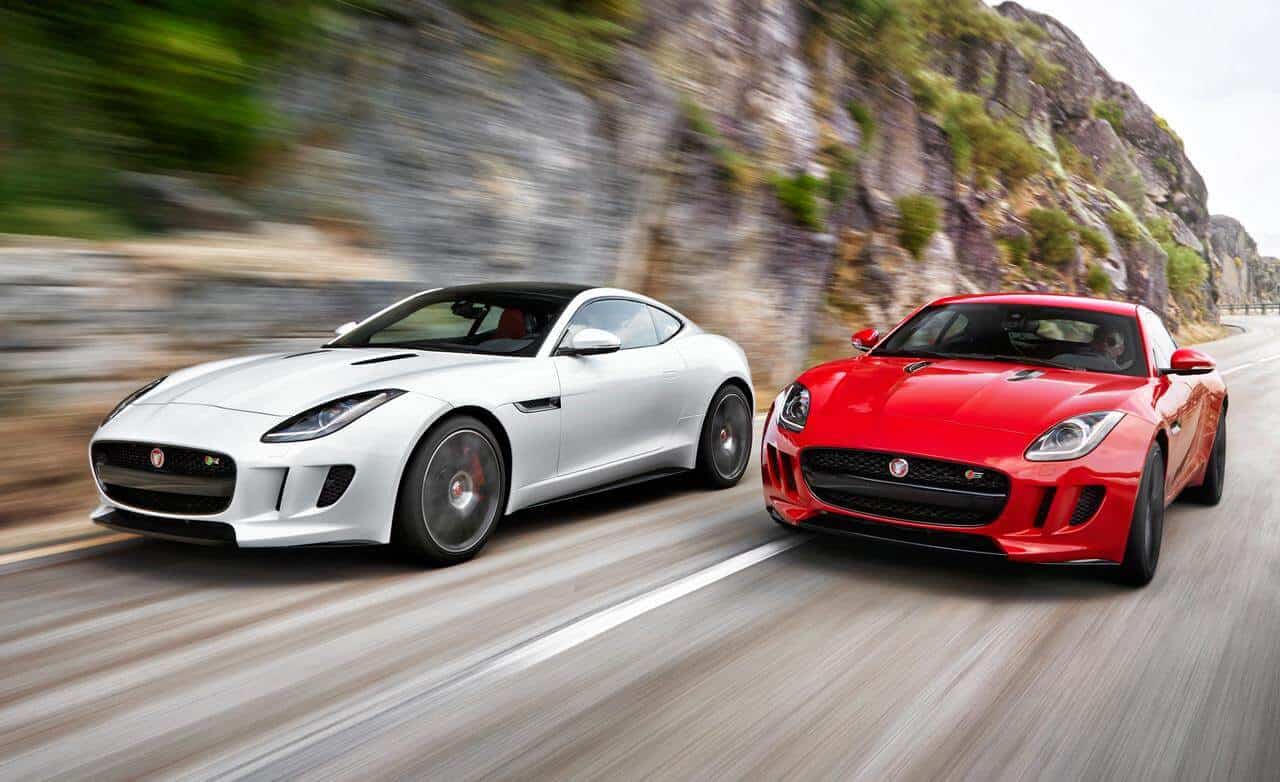
It’s tempting to pick a flashy car, but flashy doesn’t always mean smart. High-powered engines and large vehicles may be harder to handle and cost more to insure and maintain.
Ignoring Long-Term Costs
Focusing only on the purchase price can lead to surprises later. Fuel consumption, insurance, and maintenance should be factored into your total cost of ownership.
Skipping a Thorough Inspection on Used Cars
Many first-time owners opt for used cars to save money. However, neglecting a professional inspection before purchase can result in hidden mechanical issues and costly repairs.
Overlooking Resale Value
While first cars often stay longer, considering resale value can be beneficial if you plan to upgrade in a few years. Popular, reliable models tend to retain value better.
Best Types of Cars for New Drivers: Examples and Scenarios
- Compact Hatchbacks: Models like the Ford Fiesta or Volkswagen Polo offer great fuel consumption in city traffic, manageable size, and strong safety records.
- Small Sedans: Cars such as the Toyota Yaris or Honda City combine comfort with easy handling and affordable running costs.
- Budget SUVs: For those needing more space but still prioritizing driver-friendly features, smaller SUVs like the Nissan Juke provide better visibility and simple controls.
Example Scenario
Imagine a new driver living in a busy urban area needing a cheap city car. A used 2015 Ford Fiesta with a 1.0-liter petrol engine can cost around $7,000, average 28-30 mpg in city traffic, and has high safety ratings. Insurance might be approximately $1,200 per year. Regular servicing and parts are widely available, making maintenance straightforward.
Choosing the right first car is a balance of safety, affordability, and practicality. By focusing on these aspects and avoiding common pitfalls, new drivers can enjoy a confident and economical start to their driving journey. Take your time, do your research, and pick a vehicle that suits your lifestyle and budget, setting yourself up for many safe and enjoyable miles ahead.
See also our previous article: How Often Should You Really Service Your Car? A Practical Guide for Every Driver