Best Estate Cars and Coupes for Comfort and Performance: A Comprehensive Guide
When shopping for a car that balances comfort and performance, estate (combi) cars and coupes offer unique advantages. Whether you’re looking for spacious practicality or sleek driving dynamics, understanding the key aspects of these body styles helps you make an informed decision. This article dives deep into what makes estate cars and coupes stand out, highlighting essential features, practical advice, and common pitfalls to avoid.
Overview of Estate Cars and Coupes: Comfort Meets Performance
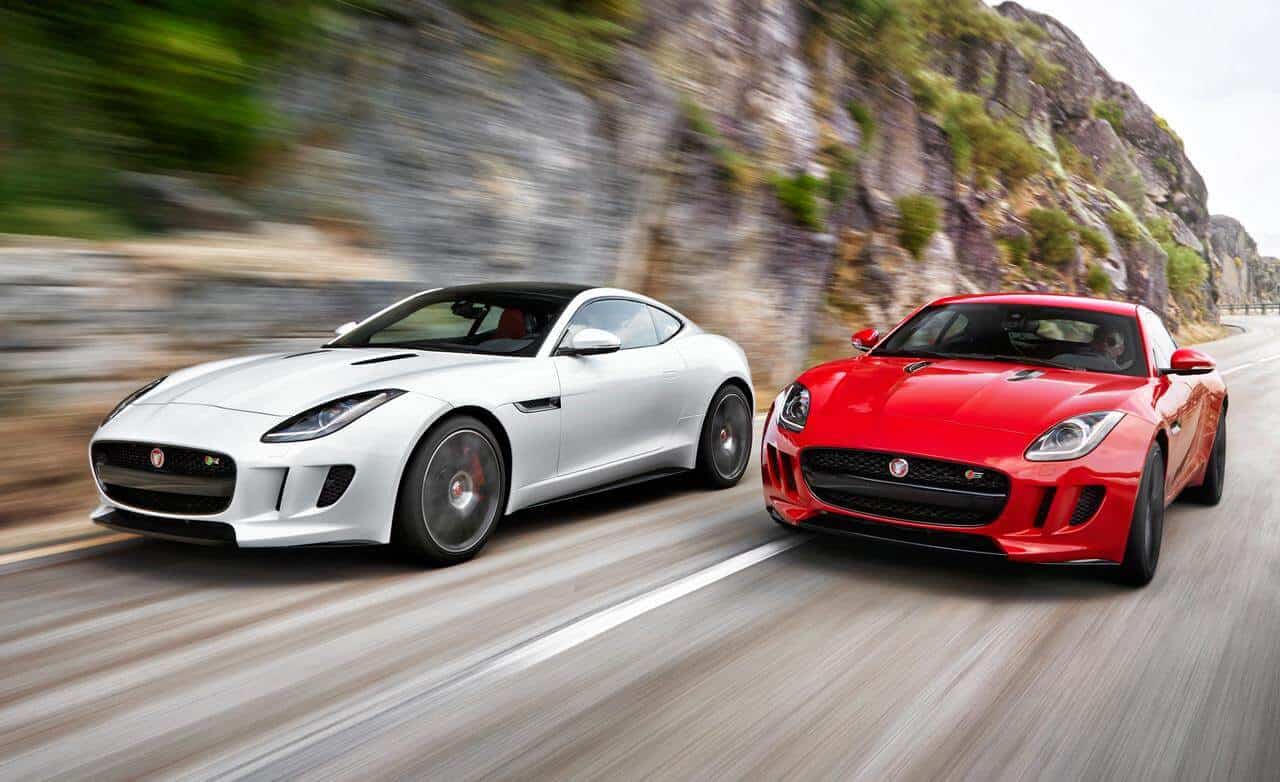
Estate cars, also known as estate wagons or combis, combine the utility of a hatchback with the extended cargo space of a station wagon. Coupes, on the other hand, emphasize sporty design and dynamic handling, usually with two doors and a lower roofline.
Why Choose an Estate Car?
Estate cars are ideal for those needing extra space without sacrificing driving comfort. They offer:
- Ample boot space for luggage, sports equipment, or family gear
- Comfortable rear seating with more legroom compared to sedans
- Versatile interior layouts with foldable rear seats
- Often better fuel consumption in city traffic than larger SUVs
What Makes Coupes Stand Out?
Coupes focus on performance and style:
- Sportier suspension setups for agile handling
- Lower center of gravity enhancing driving dynamics
- Sleek, aerodynamic profiles for improved fuel efficiency at higher speeds
- Typically more powerful engine options for spirited drives
Key Points to Consider When Choosing Between Estate Cars and Coupes
Comfort Features to Look For
Comfort is crucial whether you’re driving long distances or stuck in urban traffic. Key comfort aspects include:
- Adjustable and supportive seats with quality upholstery
- Noise insulation to reduce road and wind noise
- Climate control systems with multi-zone options
- Smooth ride quality with well-tuned suspension
Performance Factors That Matter
Performance isn’t just about speed. It includes handling, acceleration, and fuel efficiency:
- Engine type and output: turbocharged petrol or diesel engines offer a good balance
- Transmission options: manual vs. automatic for city or highway driving
- Suspension tuning: sportier for coupes, more comfort-oriented for estates
- Fuel consumption in city traffic vs. highway efficiency
Practicality and Everyday Use
- Boot capacity: estates typically offer 450-700 liters of space, coupes much less
- Rear passenger space: estates have more legroom and headroom
- Ease of access: estates usually have five doors; coupes often only two
- Maintenance costs: consider used diesel maintenance and parts availability
Practical Advice for Choosing the Right Car for Your Needs
Assess Your Driving Habits
- Frequent city driving? Consider fuel consumption in city traffic and ease of parking.
- Long highway trips? Focus on comfort features and engine efficiency at speed.
- Family or gear transport? Estate cars’ versatility might be better suited.
Budget Considerations
- New cars in estate or coupe styles can vary widely in price.
- Used diesel maintenance can be more affordable in estates commonly fitted with diesel engines.
- Factor in insurance costs, which may be higher for sporty coupes.
Test Drive Tips
- Test both estate and coupe variants of the same model if possible.
- Pay attention to seat comfort, visibility, and noise levels.
- Check how the car handles in typical traffic conditions you encounter.
Common Mistakes to Avoid When Buying Estate Cars or Coupes
Overlooking Practical Space Needs
Many buyers focus on style or performance and neglect cargo and passenger space. This can lead to frustrations when using the car daily.
Ignoring Fuel Consumption Differences
While coupes often have sportier engines, their fuel consumption in city traffic can be higher than estates designed for efficiency.
Skipping a Detailed Car Comparison
Avoid making decisions based on brand reputation alone. Compare models considering maintenance costs, reliability, and available features.
Neglecting Long-Term Costs
Diesel engines in estates may have lower running costs but can require more expensive maintenance down the line. Similarly, sporty coupes may incur higher insurance premiums.
Examples of Popular Estate Cars and Coupes Known for Comfort and Performance
- Estate example: The Volvo V60 combines Scandinavian comfort with turbocharged engines offering around 250 hp, and a boot capacity of approximately 529 liters.
- Coupe example: The BMW 4 Series Coupe offers dynamic handling, a luxurious interior, and engines ranging from efficient four-cylinder to powerful six-cylinder units.
Both types of vehicles cater to different lifestyles but share a commitment to delivering an engaging and comfortable driving experience.
Final Thoughts on Choosing Between Estate Cars and Coupes
Choosing between an estate car and a coupe comes down to balancing your need for space, comfort, and performance. Estates provide practicality and smooth rides for everyday use, while coupes offer an exhilarating drive with stylish aesthetics. By understanding your driving habits, budget constraints, and desired features, you can find a vehicle that matches your lifestyle and delivers satisfaction both on the highway and in city traffic.
See also our previous article: Essential Tips for Maintaining an Aging Diesel Car: A Practical Guide for 2025