How to Reduce Fuel Consumption in City Traffic: A Practical Guide for Crowded Urban Routes
Overview: Understanding Fuel Consumption in Crowded City Routes
Driving through congested city streets often leads to higher fuel consumption than highway driving. Stop-and-go traffic, frequent idling, and constant acceleration put extra demand on your engine, leading to inefficient fuel use. For city dwellers and commuters, understanding how to manage fuel consumption on crowded routes can translate into significant savings and reduced environmental impact.
This guide explores the best practices for keeping fuel consumption low during urban driving, focusing on education and actionable tips. Whether you own a cheap city car, a budget car for beginners, or a more advanced vehicle, these techniques apply broadly. We will also highlight common mistakes that increase fuel use and how to avoid them.
Key Points to Know About Fuel Consumption in City Traffic
Why Does City Driving Consume More Fuel?
City driving differs from highway driving primarily because of frequent stops, idling, and acceleration. Some key reasons fuel consumption spikes in urban areas include:
- Stop-and-go traffic: Accelerating from a standstill requires more fuel.
- Idling: Waiting at traffic lights or in congestion wastes fuel.
- Lower cruising speeds: Engines are often less efficient at low speeds.
- Increased friction: Use of air conditioning and frequent gear shifting can increase fuel use.
Impact of Vehicle Type on Fuel Efficiency in Cities
Your choice of car affects fuel consumption in city environments:
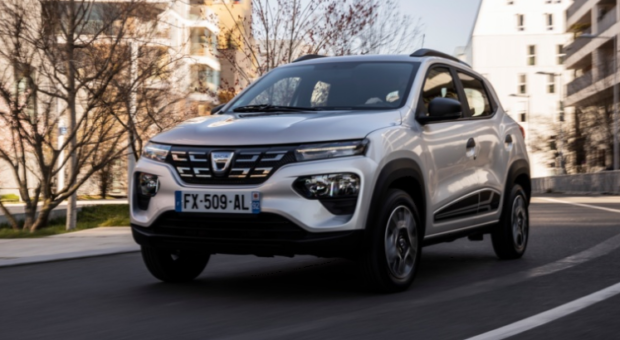
- Cheap city cars: Small engines and lightweight build help reduce consumption.
- Budget cars for beginners: Efficient automatic or manual transmissions can influence fuel use.
- Used diesel vehicles: Diesel engines may offer better fuel economy but require proper maintenance to stay efficient in stop-start traffic.
Practical Advice to Keep Fuel Consumption Low on Crowded Routes
Smooth Driving: The Cornerstone of Fuel Efficiency
One of the simplest and most effective ways to reduce fuel consumption is by adopting smooth driving habits:
- Avoid rapid acceleration: Gradually press the accelerator to reduce fuel spikes.
- Anticipate traffic flow: Look ahead to minimize unnecessary braking.
- Maintain a steady speed where possible: Use cruise control on less congested roads.
- Downshift gently: For manual transmissions, shifting earlier can save fuel.
Reduce Idle Time and Use Engine Stop-Start Systems Wisely
Idling burns fuel without moving you anywhere. Some modern cars come equipped with engine stop-start systems that automatically turn off the engine when stopped. If your vehicle has this:
- Use it consistently in traffic jams and long red lights.
- Avoid unnecessary idling when parked or waiting.
If you don’t have this feature, turn off your engine if you expect to be stopped for more than 30 seconds.
Tire Pressure and Vehicle Maintenance
Proper maintenance can dramatically impact city fuel consumption:
- Check and maintain correct tire pressure: Underinflated tires increase rolling resistance, wasting fuel.
- Regularly service your engine and filter systems: Clean air filters and timely oil changes maintain engine efficiency.
- Use recommended engine oil grades: Thinner oils reduce friction and improve fuel economy.
Use Air Conditioning and Accessories Judiciously
Air conditioning increases engine load:
- Use A/C sparingly during stop-start traffic.
- Consider using ventilation at low speeds or when windows can be safely opened.
- Turn off unnecessary electrical accessories like heated seats or defrosters unless needed.
Plan Your Route and Travel Times
Avoiding peak congestion times reduces stop-and-go driving:
- Use real-time traffic apps and car news sources to check for incidents.
- Plan trips during off-peak hours or use less crowded alternate routes.
- Combine errands to minimize the number of trips.
Common Mistakes That Increase Fuel Consumption in City Driving
Aggressive Driving and Speeding
Speeding and aggressive lane changing increase fuel consumption significantly. For example, accelerating quickly to pass can increase fuel use by up to 40% compared to smooth acceleration.
Carrying Excess Weight
Extra cargo adds weight and reduces fuel economy. Removing unnecessary items from your car can improve fuel consumption by around 1-2% for every 100 pounds removed.
Ignoring Engine Warnings and Maintenance
Delaying repairs on the engine or exhaust system reduces efficiency. For used diesel maintenance, clogged filters or poor injectors can cause substantial fuel waste in urban traffic.
Using the Wrong Fuel Grade or Poor Quality Fuel
Using fuel with octane rating not recommended by your manufacturer or low-quality fuel can affect combustion and lower fuel efficiency.
Useful Tips for Choosing Cars with Low Fuel Consumption in City Traffic
When shopping or comparing new cars for urban driving, consider:
- Hybrid vehicles or small displacement petrol engines.
- Models with stop-start technology.
- Lightweight construction and aerodynamic designs.
- Cars with good ratings in fuel consumption in city traffic tests.
Cheap city cars and budget models have improved significantly in this respect, providing efficient options for beginner drivers and regular city commuters alike.
By understanding and applying these best practices, you can keep your fuel consumption low even in the most crowded city routes. The right driving habits, proper vehicle upkeep, and planning your journeys carefully will add up to real savings and a greener drive every day.