Most Reliable Cars for Daily Commuting: A Practical Guide to Choosing Your Ideal Budget Car
When it comes to daily commuting, reliability is king. Choosing a car that consistently performs well can save you time, money, and stress. This guide breaks down the essentials of picking a reliable vehicle for everyday use, focusing on practical advice and common pitfalls to avoid.
Overview: Why Reliability Matters in a Commuter Car
Daily commuting often involves stop-and-go traffic, long hours on the road, and exposure to various weather conditions. A reliable car minimizes breakdowns, reduces maintenance costs, and ensures you arrive at work or appointments on time.
Key factors influencing reliability include the vehicle’s build quality, engine durability, and historical performance in similar driving conditions. Unlike flashy new cars or high-maintenance sports models, dependable commuter cars emphasize practicality and low running costs.
Key Points to Consider When Choosing a Reliable Commuter Vehicle
Understanding Fuel Consumption in City Traffic
Fuel economy is critical for city driving, where idling and frequent braking can increase fuel consumption. Look for cars known for efficient fuel use in urban environments:
- Compact sedans and hatchbacks typically offer better mileage.
- Models with smaller engines often consume less fuel but check that they still deliver enough power for highway driving.
- Manual transmissions can sometimes improve fuel economy compared to automatics, though modern automatics are closing this gap.
The Importance of Proven Engine and Transmission Designs
Cars with long-standing engine models and transmission systems usually have fewer unexpected issues. Engines that require minimal maintenance and use widely available parts can lower your total cost of ownership.
Examples of reliable engines include:
- Inline-4 engines from Japanese brands such as Toyota and Honda.
- Diesel engines with simple mechanical fuel injection (avoid overly complex modern diesel tech if you want low maintenance).
Budget Car for Beginners: Combining Reliability and Cost-Efficiency
If you’re new to driving or want to keep expenses low, consider affordable used cars with strong reliability records. These vehicles often have:
- Lower insurance premiums.
- Simple mechanical setups.
- Good availability of spare parts.
Considering Used Diesel Maintenance for Commuters
Diesel cars are known for durability and fuel efficiency, particularly on longer commutes. However, used diesel maintenance can be more expensive if the vehicle has advanced emission control systems like DPF (diesel particulate filters).
Advice:
- Choose older diesel models with simpler emission tech if low maintenance is your priority.
- Regular servicing is essential to avoid costly repairs.
- Verify the vehicle’s maintenance history thoroughly before purchase.
Practical Advice: How to Assess a Car’s Reliability Before You Buy
Research Car Comparison Reports and Car News
Stay updated with the latest car news and consumer reliability reports. These resources provide insights into common issues and owner satisfaction.
- Websites like Consumer Reports or J.D. Power publish reliability ratings.
- Automotive forums and owner groups offer real-world feedback.
- Compare models within your budget to find the best balance of features and dependability.
Inspect Service Records and Perform a Test Drive
A well-documented service history often indicates a well-maintained car. During your test drive:
- Listen for unusual engine noises.
- Check for smooth gear shifts.
- Test brakes and steering responsiveness in city traffic conditions.
Evaluate Fuel Consumption in City Traffic Conditions
Ask the seller or previous owner about actual fuel consumption during daily commutes. Real-world figures can differ significantly from manufacturer estimates.
Avoid Common Mistakes in Buying a Reliable Commuter Car
- Don’t focus solely on initial purchase price; consider long-term maintenance and fuel costs.
- Avoid cars with a history of accidents or poor service records.
- Be wary of models with known issues in stop-and-go traffic, such as overheating or frequent sensor failures.
- Don’t overlook the importance of comfort features that reduce driver fatigue during daily drives.
Examples of Reliable Cars for Daily Commuting
While this is not a review, some models have consistently shown reliability in commuter roles:
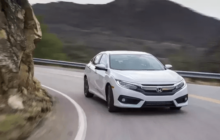
- Compact sedans like the Toyota Corolla and Honda Civic are famous for low maintenance and good fuel economy.
- Budget city cars such as the Hyundai Accent or Ford Fiesta combine efficiency with affordability.
- Older diesel models like the Volkswagen Golf TDI (with careful checkups) can offer excellent fuel consumption on longer commutes.
Final Thoughts on Choosing Your Daily Commuter
Selecting the right reliable car for daily commuting requires balancing fuel efficiency, maintenance costs, and driving comfort. By focusing on proven engine designs, fuel consumption in city traffic, and thorough research, you can find a budget car for beginners or seasoned drivers alike that meets your commuting needs without breaking the bank.
With careful consideration and practical steps, your daily drive can become a hassle-free experience, allowing you to focus on what matters most beyond the wheel.
See also our previous article: How Mileage Impacts Your Car’s Real Value and Long-Term Reliability: A Complete Guide