What You Need to Know About Car Insurance Before Buying a Car: A Complete Guide for Informed Buyers
When you’re in the market for a new or used car, understanding car insurance is just as important as comparing models or checking fuel consumption in city traffic. Insurance costs can vary widely depending on the vehicle type, your location, and your driving history. This guide will walk you through the essential points about car insurance to help you make smarter buying decisions and avoid common pitfalls.
Overview: Why Car Insurance Matters Before You Buy
Buying a car is a significant investment. Most buyers focus on the car comparison details – horsepower, mileage, or a budget car for beginners – but insurance costs often fly under the radar. However, insurance premiums could add hundreds or even thousands to your annual expenses.
Before you finalize any purchase, it’s crucial to:
- Calculate potential insurance premiums for the vehicle
- Understand the types of coverage available
- Know how your personal profile affects rates
Taking these steps ensures you won’t be surprised by high insurance bills after you drive off the lot.
Key Points About Car Insurance for New and Used Cars
Types of Car Insurance Coverage You Should Know
Car insurance isn’t one-size-fits-all. Here are the most common types of coverage:
- Liability Insurance: Covers damages and injuries you cause to others. Usually mandatory.
- Collision Coverage: Pays for damages to your car after an accident.
- Comprehensive Coverage: Covers non-collision damage like theft, vandalism, or natural disasters.
- Personal Injury Protection (PIP): Pays medical expenses regardless of fault.
- Uninsured/Underinsured Motorist Coverage: Protects you if the other driver lacks sufficient insurance.
Choosing the right combination depends on your state laws, budget, and the value of your car.
How Car Type Affects Insurance Costs
Insurance companies assess risk based on the type of car you drive. For example:
- Cheap city cars with high safety ratings typically cost less to insure.
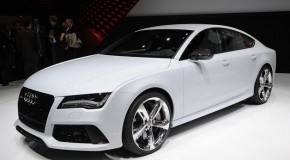
- Sports cars or luxury cars usually attract higher premiums due to repair costs and higher theft risk.
- Vehicles with strong safety features and anti-theft devices often qualify for discounts.
If you’re eyeing a used diesel maintenance vehicle, keep in mind that parts and repair costs can affect insurance prices.
Driver Profile Impact on Car Insurance
Your personal factors also shape insurance rates:
- Age and gender
- Driving history and claims record
- Credit score (in some states)
- Location, especially urban vs. rural (fuel consumption in city traffic might be relevant for mileage-based policies)
- Annual mileage
Younger drivers or those with recent accidents will generally pay more.
Practical Advice for Estimating and Lowering Car Insurance Budget
How to Estimate Insurance Costs Before Buying Your Car
- Use online insurance calculators to get quotes for specific models.
- Contact insurance agents with your desired car’s details.
- Ask for quotes including different coverage levels (liability only vs. full coverage).
- Consider the total cost of ownership, not just the sticker price.
Tips to Save on Insurance When Buying Your First Car
- Choose a budget car for beginners with lower insurance risk.
- Look for cars with safety ratings recognized by insurers.
- Bundle your car insurance with other policies (like renters or home insurance).
- Maintain a clean driving record.
- Increase your deductibles to lower premiums, but only if you can afford higher out-of-pocket expenses in case of a claim.
- Ask about discounts for low annual mileage or for completing defensive driving courses.
Common Mistakes to Avoid When Considering Car Insurance
Failing to Factor Insurance into the Total Cost of Ownership
Many buyers focus on financing and fuel economy but forget how much their insurance will add over time. For example, a used diesel car with excellent fuel economy might have expensive parts, leading to high collision coverage costs.
Overlooking the Importance of Coverage Types
Some drivers opt only for liability insurance to save money but risk paying significant expenses if the car is damaged. Especially if you’re buying a used car, consider comprehensive or collision coverage.
Not Comparing Multiple Insurance Quotes
Insurance premiums can vary drastically between providers for the same car and driver profile. Getting only one or two quotes can lead to overpaying.
Ignoring How Modifications Affect Insurance
Adding aftermarket parts or performance upgrades can increase premiums or even void coverage. If you plan to upgrade your vehicle, check with your insurer first.
How Recent Car News and Trends Affect Insurance Considerations
New cars increasingly come with advanced driver assistance systems (ADAS) that reduce accidents and may lower insurance costs. However, repairs can be costly if sensors or cameras get damaged.
Also, with rising urban congestion, some insurers are offering usage-based policies where your premium depends on your actual driving behavior and mileage, which can benefit drivers with low fuel consumption in city traffic.
Final Thoughts on Car Insurance Before Your Next Car Purchase
Understanding car insurance is critical for making a well-rounded decision when buying your next vehicle. By researching insurance costs tied to your preferred model, considering different coverage types, and seeking multiple quotes, you’ll protect your budget and avoid surprises.
Whether you’re buying a cheap city car for daily commuting or investing in a more powerful vehicle, keeping insurance in mind ensures you’re financially prepared for all aspects of car ownership. Take your time to explore options, and you’ll enjoy your new car with greater peace of mind.
See also our previous article: What You Should Know About Car Insurance Before Buying a Car: A Comprehensive Guide