Best Cars for Long-Distance Highway Driving: A Comprehensive Guide to Comfort, Efficiency, and Safety
Long-distance highway driving presents unique challenges and requirements that differ significantly from city or short-trip driving. Choosing the right vehicle for extensive highway journeys can enhance comfort, reduce fatigue, improve fuel efficiency, and increase safety. This guide explores the essential features to look for, practical advice for selecting and maintaining a car optimized for long trips, and common pitfalls to avoid.
Overview: Why Choosing the Right Car Matters for Highway Driving
Highway driving involves sustained speeds, often between 60 and 80 mph, over hundreds of miles. Unlike stop-and-go city traffic, this environment demands a car that balances power, comfort, aerodynamics, and fuel economy.
Key factors that distinguish the best cars for highway use include:
- Engine efficiency and power: Adequate horsepower to maintain cruising speed and accelerate safely.
- Fuel consumption on highways: Cars with low highway fuel consumption save money and reduce stops.
- Ride comfort: Suspension and seating designed to minimize fatigue on long trips.
- Noise insulation: Reduced road and wind noise helps maintain driver alertness.
- Safety features: Advanced driver-assist systems and strong crash-test ratings.
Understanding these points helps when browsing new cars or conducting a car comparison to find a suitable model.
Key Points to Consider When Choosing a Highway Car
Engine and Transmission: Balancing Power and Economy
For long-distance highway driving, a smooth and efficient powertrain is vital.
- Engine size: Mid-sized turbocharged engines often offer a good balance between fuel economy and power.
- Diesel options: Used diesel maintenance can be more affordable due to the engine’s longevity and fuel efficiency on highways.
- Transmission: Automatic transmissions with more gears (6-speed or higher) provide smoother acceleration and better fuel economy.
Fuel Consumption in Highway Traffic vs City Traffic
Fuel consumption differs significantly between city and highway driving.
- Highway fuel consumption: Typically lower due to steady speeds and fewer stops.
- City traffic: Frequent acceleration and braking increase consumption.
- Cars with aerodynamic designs and efficient engine management systems excel in highway fuel economy.
Comfort Features for Long Trips
Comfort is key when spending hours behind the wheel.
- Supportive seats with adjustable lumbar support.
- Climate control systems that maintain a consistent cabin temperature.
- Ample legroom, especially in the rear seats if traveling with passengers.
- Low cabin noise to reduce driver fatigue.
Safety and Driver Assistance Systems
Long highway drives require attentive driving, but fatigue can set in.
- Adaptive cruise control maintains safe distances automatically.
- Lane-keeping assist helps prevent unintentional lane departures.
- Blind-spot monitoring improves awareness during lane changes.
- Strong crash-test ratings from organizations like IIHS and Euro NCAP.
Practical Advice for Selecting and Maintaining a Long-Distance Car
Conducting a Car Comparison Based on Real-World Highway Performance
- Look for independent fuel economy tests and owner reviews focusing on highway mileage.
- Consider test drives on highways to assess ride comfort and noise levels.
- Evaluate the availability of highway-friendly features like cruise control and heated seats.
Maintaining Your Vehicle for Optimal Highway Performance
Proper maintenance enhances reliability and efficiency on the road.
- Regular oil changes and filter replacements keep the engine running smoothly.
- Tire maintenance: Ensure tires are inflated to the manufacturer’s recommended pressure to improve fuel economy and safety.
- Brake inspections are critical for responsiveness during long trips.
- Alignment and suspension checks prevent uneven tire wear and improve ride comfort.
Planning for Fuel and Rest Stops
Even the best cars need refueling and breaks.
- Choose cars with a large fuel tank or excellent miles-per-gallon ratings to increase intervals between stops.
- Use apps or onboard navigation to locate rest areas and fuel stations along your route.
- Consider cars with large trunks or roof racks for luggage on extended trips.
Common Mistakes When Choosing a Car for Highway Driving
Overlooking Fuel Efficiency in Favor of Power Alone
While having enough power is important, some drivers prioritize engine size without considering fuel consumption. This often leads to frequent fuel stops and higher costs.
Neglecting Comfort Features
A budget car for beginners might lack adjustable seats or climate control, which can cause discomfort and fatigue on long drives.
Ignoring Noise Insulation and Aerodynamics
Road noise can be tiring over hours of highway driving. Cars with poor insulation or boxy designs increase wind resistance, affecting both comfort and fuel economy.
Skipping Safety Technology
Failing to select cars equipped with modern safety features can increase risk during long highway trips, especially when driver fatigue becomes a factor.
Examples of Key Models and Features to Look For
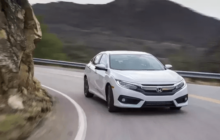
- Mid-sized sedans often strike a good balance between comfort and fuel economy.
- Diesel-powered cars typically excel in fuel consumption on highways but require awareness of used diesel maintenance.
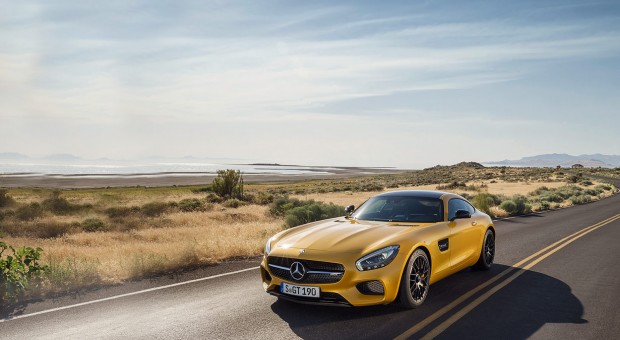
- Luxury models tend to have superior noise insulation, advanced safety tech, and premium comfort features.
When considering a new car, review the latest car news and updates to identify models optimized for long-distance travel.
Selecting the right car for long-distance highway driving involves more than just choosing a fast or stylish vehicle. Prioritizing fuel efficiency on highways, comfort, and safety features can transform hours on the road into a more enjoyable and economical experience. With careful research and thoughtful consideration, every long journey can become smoother, safer, and more relaxing.
See also our previous article: Which Cars Retain Their Value Best After Five Years? A Practical Guide for Savvy Buyers