Which Cars Retain Their Value Best After Five Years? A Practical Guide for Savvy Buyers
Overview: Understanding Car Depreciation and Value Retention
When buying a car, one of the most important financial considerations is how well it retains its value over time. Depreciation—the loss in a vehicle’s value as it ages—can significantly impact the total cost of ownership. Some cars hold their value better than others, making them smarter choices for budget-conscious buyers, especially those looking for a budget car for beginners or a reliable family vehicle.
Knowing which cars maintain strong resale value after five years helps you make an informed decision, whether you plan to sell, trade-in, or simply want to minimize your financial loss. This guide dives into key factors influencing car depreciation, highlights the best car models for value retention, and offers practical advice on choosing a new car with strong resale potential.
Key Points: What Influences a Car’s Value Retention?
Factors Affecting Depreciation Rates in Cars
Several elements determine how much value a car loses over five years:
- Brand Reputation and Reliability
Cars from manufacturers known for durability and low maintenance costs, such as Toyota and Honda, generally depreciate slower.
- Vehicle Segment and Type
SUVs, trucks, and certain budget cars tend to hold value better than luxury sedans or niche models.
- Fuel Efficiency and Running Costs
Models with good fuel consumption in city traffic and low maintenance expenses are more attractive to used car buyers.
- Market Demand and Popularity
High demand for used models, especially those with versatile features and good safety ratings, supports stronger resale prices.
- Condition and Mileage
Lower mileage and well-maintained vehicles depreciate less.
Common Long-Tail Keywords Related to Car Value Retention
- “best used diesel maintenance cars”
- “cheap city car with strong resale value”
- “budget car for beginners that holds value”
- “car comparison for depreciation rates”
- “new cars with low depreciation”
Best Car Models Known for Holding Value After Five Years
While specific depreciation rates vary by market and model year, certain cars consistently outperform others in value retention. Here are some examples frequently cited in car news and depreciation studies:
- Toyota Tacoma (Pickup Truck)
Renowned for toughness and reliability, this midsize pickup truck often retains 60-65% of its original value after five years.
- Honda Civic (Compact Car)
A favorite budget car for beginners, the Civic combines fuel efficiency and low maintenance, holding about 50-55% of its value.
- Jeep Wrangler (SUV)
With strong brand loyalty and off-road appeal, the Wrangler typically keeps around 60% of its value, outperforming many SUVs.
- Subaru Outback (Crossover)
Known for durability and all-weather capability, the Outback holds its value well, especially in regions with harsh winters.
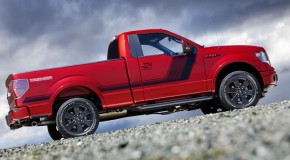
- Ford F-150 (Full-Size Pickup)
America’s best-selling truck maintains high resale value due to demand and versatility.
Practical Advice for Choosing a Car That Holds Its Value
How to Use Depreciation Data in Your Car Comparison
- Look for depreciation rates published by trusted automotive research firms. Focus on five-year retention stats rather than just initial price or fuel consumption.
- Consider vehicles with proven low maintenance costs and common parts to lower used diesel maintenance or gasoline engine upkeep.
- Check market demand for used models in your area—popular cars sell faster and for higher prices.
Tips for Maintaining Your Car’s Resale Value
- Keep detailed service records and follow the manufacturer’s maintenance schedule.
- Avoid excessive mileage; try to keep yearly driving under 12,000 miles if possible.
- Protect the car from harsh weather and keep the interior and exterior clean.
- Invest in minor repairs promptly to avoid bigger depreciation hits.
Common Mistakes That Hurt Your Car’s Value Over Time
Buying Based on Initial Price Alone
Some buyers focus only on the sticker price, ignoring how much value the car might lose. A cheaper new car can end up costing more if it depreciates rapidly.
Overlooking Fuel Consumption in City Traffic
Cars with poor fuel economy in stop-and-go city driving become less attractive on the used market, especially as fuel prices fluctuate.
Neglecting Regular Maintenance
Skipping routine maintenance or using cheap parts can lead to mechanical issues that drastically reduce resale value.
Choosing Niche or Fad Models
Cars with unusual features or limited appeal can be hard to resell, causing steep value drops.
Final Thoughts: Making a Smart Investment in Your Next Car
Selecting a car that holds its value well after five years is a strategic way to get more mileage out of your investment. By prioritizing well-known reliable brands, considering fuel consumption and maintenance costs, and staying informed through car comparison and car news, you can avoid common pitfalls and choose a vehicle that keeps its worth.
Whether you need a cheap city car or a rugged pickup, understanding depreciation helps you make choices that benefit your wallet long-term. Keep in mind that how you care for your car also plays a crucial role in preserving its resale value. With these insights, you’re better equipped to pick a car that serves you well today and remains a valuable asset tomorrow.
See also our previous article: How Mileage Impacts a Car’s Real Value and Long-Term Reliability: A Detailed Guide