Cheapest Cars to Insure for Young Drivers: A Practical Guide for Beginners
Navigating the world of car insurance as a young driver can be daunting. Insurance premiums tend to be high due to lack of experience, and selecting the right vehicle can make a significant difference in costs. This guide explores which cars are cheapest to insure for young drivers, offering practical advice and clear explanations to help you make informed decisions.
Overview: Why Insurance Costs Matter for Young Drivers
Insurance premiums for young drivers are generally higher because insurers view them as higher risk. Factors influencing these costs include:
- Driver age and experience: Younger drivers often have less experience, increasing accident risk.
- Car model and engine size: High-performance or luxury vehicles usually cost more to insure.
- Repair costs and safety ratings: Cars with lower repair costs and better safety features often attract cheaper premiums.
- Theft rates and market value: Vehicles more prone to theft or with high market value can increase insurance costs.
Choosing a budget car for beginners with low insurance group ratings can significantly reduce expenses.
Key Points: What Makes a Car Cheap to Insure for Young Drivers?
Low Insurance Group Ratings
Insurance companies classify vehicles into groups based on repair costs, safety features, performance, and theft risk. Cars in lower groups (typically 1–10) are cheaper to insure.
Small Engine Size and Moderate Performance
Cars with smaller engines (1.0L to 1.4L) tend to have lower premiums because they are less powerful and less likely to be involved in high-speed accidents.
Reliable Safety Features
Vehicles equipped with airbags, anti-lock braking systems (ABS), and electronic stability control (ESC) are safer and often rewarded with lower insurance rates.
Affordable Repair and Maintenance Costs
Cars that are inexpensive to fix or maintain reduce insurers’ potential payout, reducing premiums.
Popular Budget Models for Young Drivers
Some examples of cheap city cars and budget cars for beginners include:
- Ford Fiesta 1.0L
- Volkswagen Polo 1.2L
- Toyota Yaris 1.3L
- Hyundai i10 1.0L
- Skoda Fabia 1.2L TSI
These models combine low insurance group ratings, fuel efficiency, and good safety records.
Practical Advice: How to Choose and Insure Your First Car
Research Insurance Group Ratings
Before buying, check the car’s insurance group rating. Websites like Thatcham Research or your insurer can provide this information.
Consider Used Cars with Proven Reliability
Used cars often cost less to insure. Opt for models with a history of low repair costs and good fuel consumption in city traffic to keep running costs manageable.
Increase Your Voluntary Excess
Choosing a higher voluntary excess (the amount you pay out of pocket in the event of a claim) can lower your premium. Just ensure you can afford the excess if needed.
Add a Named Experienced Driver
Adding a parent or experienced driver to your policy as a named driver can reduce costs. However, always be honest with your insurer to avoid claim issues.
Use Telematics or “Black Box” Insurance
Many insurers offer telematics policies that monitor your driving habits. Safe, careful driving can lead to significant discounts over time.
Common Mistakes Young Drivers Make When Insuring a Car
Choosing a High-Performance or Luxury Vehicle
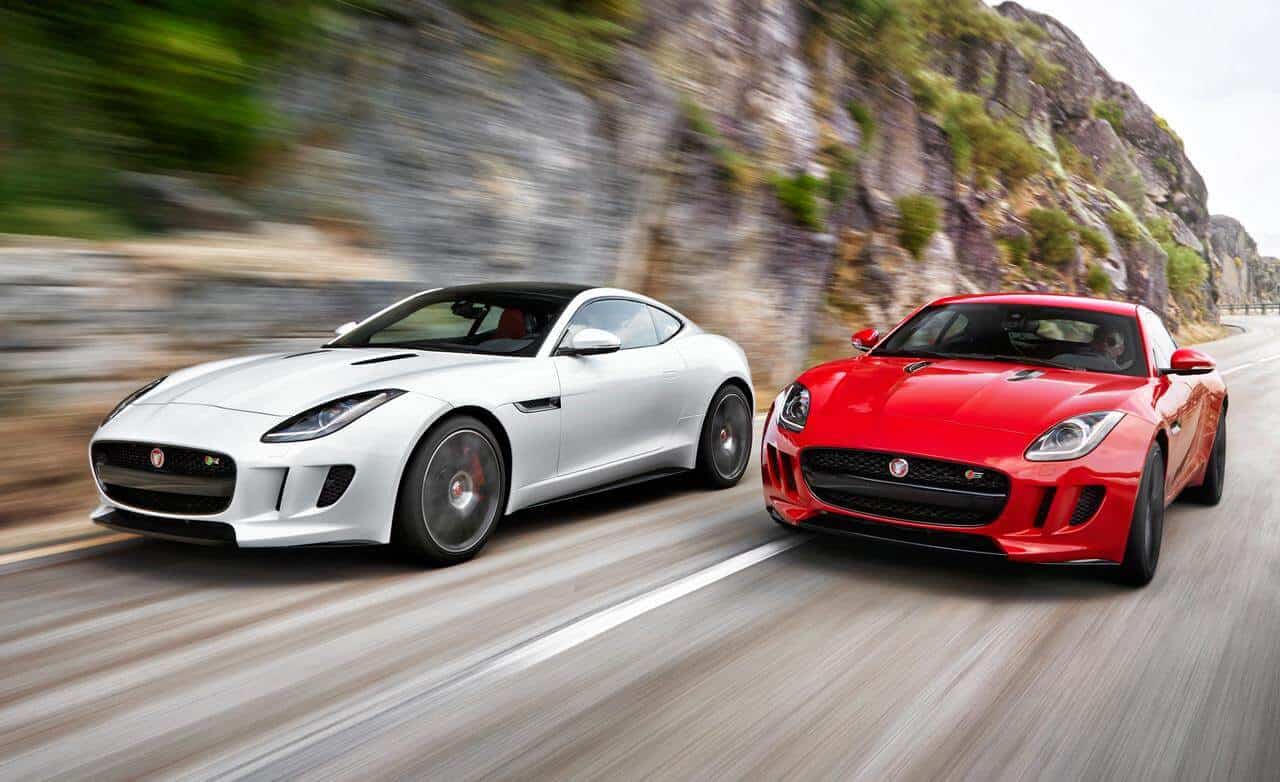
While tempting, high-powered cars like sports models dramatically increase insurance premiums. Avoid these if cost is a priority.
Not Comparing Multiple Insurance Quotes
Insurance prices vary widely between providers. Use comparison tools to find the best deal tailored to your profile and chosen car.
Ignoring Additional Costs Beyond Insurance
Remember to factor in other expenses such as road tax, fuel consumption in city traffic, maintenance, and MOT costs when budgeting.
Failing to Update Your Insurer About Changes
Always inform your insurer about changes such as address, additional drivers, or modifications to the car. Failure to do so can invalidate your policy.
Overlooking Security Measures
Installing approved security devices like alarms or immobilizers can reduce theft risk and lower premiums.
Understanding How Fuel Consumption and Maintenance Impact Overall Costs
Fuel consumption in city traffic can be higher due to frequent stops and starts. Choosing a car with efficient fuel economy reduces monthly expenses. Additionally, selecting models with widely available and affordable parts keeps maintenance costs low.
For example, a Toyota Yaris with a 1.3L engine can average around 35-40 mpg in city driving, while repair parts are generally affordable and easy to find. This makes it an excellent choice as a budget car for beginners.
How Car News and Market Trends Affect Insurance
Keeping an eye on car news can help young drivers understand shifts in insurance policies or new models designed with young drivers in mind. For instance, some manufacturers focus on improving safety tech in new cars, which can lead to lower insurance premiums over time.
Final Thoughts on Selecting the Cheapest Cars to Insure for Young Drivers
Selecting the right car is a critical step for young drivers looking to minimize insurance costs. Prioritize low insurance group vehicles with modest engine sizes, strong safety records, and affordable maintenance. Combine this with smart insurance strategies like telematics and thorough quote comparison, and you can drive confidently without breaking the bank.
Choosing wisely now sets the foundation for safer, more economical driving years ahead.
See also our previous article: The Hidden Costs of Car Ownership in the EU and USA: Taxes, Insurance, and Maintenance Explained