Which Cars Retain Their Value Best After Five Years? A Practical Guide for Savvy Buyers
When buying a car, one of the smartest considerations is how well it will hold its value over time. Depreciation—the loss of a vehicle’s value after purchase—can be steep, especially in the first few years. Understanding which cars retain their value best after five years saves money in the long run and helps you make an informed decision whether you’re buying new or planning to sell later.
Overview: Why Car Depreciation Matters
Car depreciation is the difference between what you pay for a vehicle and what you can sell it for later. On average, new cars lose around 50-60% of their value within five years. However, some models hold their value significantly better due to factors like brand reputation, reliability, demand, and fuel efficiency.
Knowing the long-term value retention of a car can:
- Lower your total cost of ownership
- Help with better budgeting for resale or trade-in
- Influence your choice if you want a budget car for beginners or a family vehicle
- Provide insight into maintenance costs and fuel consumption over time
Key Points to Understand About Value Retention in Cars
Factors Influencing Car Depreciation
Several key elements determine how well a car holds its value:
- Brand and Model Reputation: Established brands like Toyota, Honda, and Subaru often have higher resale values. Their reliable engines and low maintenance costs are highly valued in the used car market.
- Vehicle Type: SUVs and trucks tend to depreciate slower than sedans because of growing demand and versatility.
- Fuel Efficiency: Cars with good fuel consumption in city traffic attract more buyers, especially when fuel prices rise.
- Condition and Mileage: Well-maintained cars with lower mileage keep more value.
- Market Trends and Car News: Popularity shifts and new car releases can influence resale values. For instance, diesel vehicles have seen fluctuating demand affecting their depreciation rates.
Examples of Cars with Strong Value Retention
Some models are known for holding their value exceptionally well after five years:
- Toyota Tacoma: A midsize pickup with excellent reliability and strong resale demand.
- Honda CR-V: A compact SUV loved for its practicality and fuel economy.
- Subaru Outback: Known for durability and all-wheel drive capability, making it a favorite in many regions.
- Jeep Wrangler: Unique styling and off-road capability help it maintain value.
- Toyota 4Runner: A rugged SUV with a loyal following and strong resale prices.
Practical Advice for Choosing a Car That Retains Value
How to Identify a Car with Good Resale Value
- Research Depreciation Rates: Use trusted automotive valuation tools like Kelley Blue Book or Edmunds to compare depreciation.
- Check Ownership Costs: Look beyond purchase price. Calculate insurance, fuel consumption in city traffic, and maintenance expenses.
- Prioritize Reliability: Models with lower repair frequency and affordable used diesel maintenance generally hold value better.
- Look for Popular Features: Demand for certain trims or fuel types can affect future resale value.
Budget Car for Beginners: Balancing Cost and Value
If you’re looking for a cheap city car or budget-friendly option, focus on:
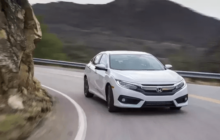
- Compact cars from brands with strong reputations (e.g., Honda Civic, Toyota Corolla)
- Vehicles with proven fuel efficiency in city traffic, lowering running costs
- Models with widely available parts to reduce maintenance expenses
Tips for Maintaining Your Car’s Value Over Time
- Regular servicing and keeping detailed maintenance records
- Avoiding excessive wear and tear inside and out
- Minimizing modifications that may reduce appeal to used car buyers
- Keeping mileage reasonable relative to the car’s age
Common Mistakes That Reduce a Car’s Resale Value
Ignoring Maintenance and Repairs
Skipping routine maintenance or delaying repairs can accelerate depreciation. Buyers often look for vehicles with a full service history and no outstanding issues.
Choosing Oversized or Highly Customized Vehicles
While some buyers like trucks or SUVs, oversized vehicles can be harder to sell in urban areas. Highly customized cars might appeal to a niche market, limiting resale potential.
Buying Based on Trends Only
Cars that are popular for a short time due to hype or “car news” may not hold value well. Instead, focus on long-term reliability and proven demand.
Overlooking Fuel Type and Usage
Used diesel maintenance can be costly if the diesel engine isn’t well-suited to your driving patterns (e.g., lots of short trips). This affects value retention negatively.
Choosing a car that keeps its value well after five years requires a blend of research, practical budgeting, and understanding market trends. By focusing on reliable brands, fuel-efficient models, and proper maintenance, you can make a smarter investment and enjoy your vehicle longer without losing significant money. Whether you want a budget car for beginners or a versatile SUV for family use, knowing how depreciation works helps you navigate the car market with confidence.
See also our previous article: How Mileage Affects a Car’s Real Value and Reliability: A Practical Guide for Used Car Buyers