Which Cars Retain Their Value Best After Five Years? A Comprehensive Guide
When it comes to buying a car, many factors influence the decision: style, performance, fuel consumption in city traffic, and of course, price. However, one crucial aspect that often gets overlooked is how well a car holds its value over time. Understanding which cars retain their value best after five years can save you thousands when it’s time to sell or trade in.
This guide will walk you through the essentials of car depreciation, highlight key models known for strong resale value, and offer practical advice to help you make an informed choice.
Overview: Why Car Depreciation Matters
Depreciation is the loss of a car’s value over time. New cars typically depreciate the most within the first five years, sometimes losing over 50% of their original value. This affects your overall ownership cost and can influence decisions about financing and insurance.
Cars that retain value well tend to have:
- Strong demand in the used car market
- Reliable performance records
- Lower maintenance costs
- Popularity across various buyer segments
Understanding depreciation helps when comparing new cars, especially if you want to balance upfront cost and long-term value.
Key Points: Factors Influencing Cars’ Value Retention
Several factors contribute to why some vehicles maintain their resale price better than others:
Brand Reputation and Reliability
Brands like Toyota, Honda, and Subaru consistently produce reliable vehicles with proven longevity. This reputation translates into higher resale values.
Vehicle Type and Segment
Certain segments, such as compact SUVs and mid-size pickups, are in high demand, making models in these categories retain value better than less popular types.
Fuel Efficiency and Maintenance Costs
Cars with better fuel economy in city traffic and affordable maintenance are more attractive used, boosting their resale appeal.
Limited Supply and High Demand
Vehicles that are discontinued or produced in limited numbers can sometimes hold their value due to collector interest or scarcity.
Which Cars Hold Their Value Best? Examples and Insights
Compact SUVs and Crossovers
- Toyota RAV4: Known for reliability and fuel efficiency, it’s a top choice for budget-conscious families. Its resale value after five years often remains above 60% of original MSRP.
- Honda CR-V: Another compact SUV with excellent fuel consumption in city traffic and low repair costs, making it a solid budget car for beginners and experienced drivers alike.
Pickup Trucks
- Toyota Tacoma: Pickup trucks generally depreciate less than sedans. The Tacoma, with its rugged build and strong resale demand, frequently retains over 65% of its value after five years.
- Ford F-150: America’s best-selling pickup also holds value well, thanks to its versatility and strong used truck market.
Sedans with Strong Resale Value
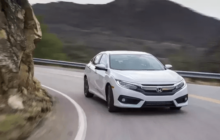
- Honda Civic: A cheap city car favorite, the Civic combines reliability with sporty handling and excellent fuel economy. It typically retains around 55-60% of its value after five years.
- Toyota Corolla: Known for low maintenance costs and fuel efficiency, the Corolla is a practical choice that holds its value steadily.
Practical Advice: How to Maximize Your Car’s Value Retention
Choose Popular Models with Proven Reliability
Stick to brands and models known for quality and durability. Check car news sources and reviews focusing on used diesel maintenance and other ownership costs.
Maintain Regular Service and Keep Records
A well-documented maintenance history reassures buyers and can increase your car’s resale price.
Avoid Excessive Customization
Modifications can reduce appeal in the used car market unless they are factory-approved or enhance performance without compromising reliability.
Consider Color and Options Wisely
Neutral colors like white, black, or silver often have broader appeal. Popular options such as safety packages or fuel-efficient engines can boost resale value.
Common Mistakes to Avoid When Considering Depreciation
- Focusing Only on Initial Price: A cheap city car might be tempting upfront but could lose value quickly if it has poor reliability.
- Ignoring Fuel Consumption: Cars with poor fuel economy in city traffic tend to depreciate faster due to rising running costs.
- Skipping Research on Used Car Market Trends: Some models may fall out of favor due to changing regulations or consumer preferences.
- Overlooking Maintenance Costs: High repair bills can scare off potential buyers, reducing the car’s resale value.
Understanding Depreciation in Your Car Buying Journey
Depreciation is a silent cost that impacts your total expenditure on vehicle ownership. By considering cars known for holding value—such as compact SUVs like the Toyota RAV4, pickups like the Toyota Tacoma, or reliable sedans like the Honda Civic—you can make smarter choices.
Remember, factors like brand reputation, fuel consumption in city traffic, and maintenance history are critical in this equation. Whether you are a first-time buyer looking for a budget car for beginners or an experienced driver interested in fuel-efficient models, factoring in depreciation will help you get the most from your investment.
With this knowledge, you’re better prepared to navigate car comparisons and select a vehicle that won’t just serve you well on the road but will also protect your wallet years down the line.
See also our previous article: How to Import a Used Car from Another Country: A Step-by-Step Practical Guide