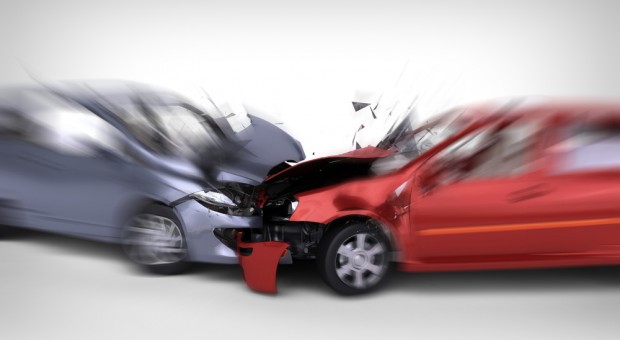
What NOT To Do After A Car Crash
You might think you are an experienced, safe driver, but the chances are that over an average lifetime, you will have 3-4 accidents. Well over 10 million accidents are happening on the nation’s roads every year, and while most of them won’t result in a fatality, the numbers are still significant enough for you to sit up and take notice.
Now, there are plenty of guides out there on what you should do after having a crash, including on this very website. But the truth is, it is often what you DON’T do that is most important of all. Here’s a brief guide to everything you need to know and the behaviors you should avoid in the likely event you have a car accident.
Leave the scene
If you are involved in a crash and the damage – both on the people involved and the cars – it can be tempting to keep things ‘off piste.’ Don’t. Regardless of the severity of the incident, you have several legal obligations. You must stop, check on the other person and vehicle, and exchange insurance information. You also have to report the event to law enforcement. Leaving the scene of a car crash is a criminal offense, and although in most states it will be a minor misdemeanor, if it transpires the other party is seriously injured – or dies – you’re going to be charged with a felony.
Make an agreement
The law isn’t just there to punish you – it’s also there to protect you. So, always involve the law, or you could end up getting taken for a ride. The stats suggest that an astonishing one in seven American drivers use a car without insurance, and if you decide to make a gentleman’s agreement after a crash, those odds are too risky.
Ultimately, you don’t know whether their insurance details are real, whether the other driver has arrest warrants, or is even who they claim they are. And if they disappear, you’re going to end up with no chance of pursuing any kind of claim.
Furthermore, if you don’t contact the police, how are you going to get the evidence and documentation to prove your claim?Everything from police photographs through to the accident report can help back up your story.
Start a fight
Being involved in a car crash is a truly visceral experience. Your emotions will be pumped up to the max, and you will feel like losing your cool – but you have to keep a lid on it. The first thing you should do – assuming you are in OK shape – is ask the other driver if they are OK, too.
Don’t steam in with aggression and blame, and try to stay as calm as possible. It’s difficult, sure, but your focus should be on assessing the situation and getting all the documentation you need.
Admit fault
That said, you don’t want to be too loose-lipped after an accident, even if, deep down, you know it was your fault. Admitting legal liability to anyone – whether it’s the other driver, an emergency worker or another witness – is going to result in a lawsuit and plenty of penalties coming your way.
Keep your lips zipped, get a free consultation with a car accident lawyer, and see how the land lies then. Just keep yourself together, be polite, and make sure everyone is safe and unhurt. Finally, if the other driver is being aggressive, try to avoid reacting – it will only make things worse.
Forget
Unless you are seriously hurt, you should document what happened in the crash as soon as possible. Write it down quickly, including details of what you were doing, what occurred in your eyes, and where you were. It’s important to get all these details down on paper, as the pictures of the event will soon start to cloud and get a little foggy. Make sure you get all the relevant particulars of the other people involved, too.
You will need the driver’s name, address, insurance company name and policy number. Record everything about the car in question, too, including the license plate, make, model and color. FInally,m get the names and addresses of any witnesses who are willing to make a statement – and if you have a camera on your phone, be sure to take pictures.
Nobody wants to be involved in a crash, and most people don’t believe it will happen to them. But the statistics suggest otherwise, and you have to be prepared for anything in life. And given the stressful nature of being involved in a crash, an understanding of what you should do – and shouldn’t – will prove critical.
Drive safe!