City vs Highway Driving: How the Same Car Performs in Different Environments
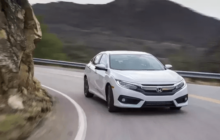
When considering a car purchase, many focus on overall specs and looks, but how a vehicle handles city traffic compared to long highway stretches can be a game changer. This review dives into the practical differences of driving the same mid-size sedan in urban stop-and-go conditions versus open-road cruising. Understanding these nuances can help you decide if this car fits your lifestyle and driving habits.
Who is This Car Best Suited For?
This particular sedan strikes a balance between comfort and efficiency, making it appealing to:
- Commuters who split time between city streets and highways
- Small families needing reliable daily transportation
- Drivers prioritizing fuel economy without sacrificing interior space
- Budget-conscious buyers seeking a versatile car for mixed driving conditions
If your daily routine involves crawling through traffic jams and occasional weekend road trips, this car’s dual capabilities will be important to weigh.
Pros of City Driving: Navigating Urban Traffic Efficiently
Driving in dense city environments reveals several strengths of this model:
- Responsive Handling: Tight steering and a compact turning radius make maneuvering through narrow lanes and parking spots easier.
- Smooth Stop-and-Go Performance: The automatic transmission shifts smoothly at low speeds, reducing jerky motions typical in urban traffic.
- Fuel Consumption in City Traffic: Thanks to a modest engine size and smart fuel injection, the car averages about 28 mpg in heavy city driving, which is commendable for its class.
- Comfort Features: Good suspension tuning absorbs potholes and uneven pavement, improving ride quality on rough city streets.
For those seeking a cheap city car that doesn’t sacrifice comfort, this sedan performs admirably.
Cons of City Driving: What Could Be Better?
Despite its strengths, some aspects of city driving might frustrate certain drivers:
- Engine Noise at Idle: While driving slowly, the engine can sound louder than expected, which may become intrusive in stoplights or parking lots.
- Limited Rear Visibility: Tight parking spots require extra care since blind spots aren’t fully mitigated by mirrors alone.
- Infotainment Lag: The touchscreen system occasionally lags when used for navigation or music control, a minor annoyance during short trips.
These factors are worth considering if most of your mileage is within urban limits.
Pros of Highway Driving: Comfort and Efficiency on the Open Road
When the car hits the highway, different advantages come to light:
- Stable Cruise Control: The adaptive cruise system maintains speed smoothly, reducing fatigue on long drives.
- Fuel Economy on Highways: At steady speeds around 65 mph, fuel consumption improves to nearly 38 mpg, making it economical for road trips.
- Quiet Cabin: Wind and road noise are well insulated, creating a relaxing atmosphere during extended highway stretches.
- Strong Acceleration for Passing: The engine delivers adequate power when overtaking slower vehicles, enhancing safety and confidence.
This makes the sedan a solid choice for drivers who frequently cover longer distances on highways.
Cons of Highway Driving: Points to Keep in Mind
Even on open roads, some drawbacks appear:
- Limited Top-End Power: On steep inclines or when fully loaded, acceleration can feel sluggish compared to sportier rivals.
- Firm Suspension: While good for handling, the suspension may transmit more vibrations on rough freeway surfaces than some competitors.
- Limited Rear Seat Legroom: Passengers on longer trips might find the back seat a bit cramped for comfort.
If you spend mostly highway hours, these elements can impact your overall satisfaction.
Real-World Scenarios: Mixed Driving Insights
Imagine a daily commute involving 15 miles of congested city roads and a 50-mile highway leg. The car’s responsive steering helps navigate busy intersections quickly, while decent fuel economy keeps running costs manageable. During the highway portion, adaptive cruise control and a quiet cabin ease driving stress, but you might notice engine strain pushing uphill on the way home.
For weekend getaways with family, the sedan offers enough trunk space for luggage and groceries. However, if you often travel with four adults, rear seat comfort could become a limitation over time.
What to Look for When Test Driving in Your Environment
To ensure this car fits your needs, focus on these during a test drive:
- In City Traffic: Check for ease of parking, visibility in tight spaces, and how the transmission handles frequent stops.
- On the Highway: Assess acceleration response when merging or overtaking and listen for road noise at cruising speeds.
- Fuel Gauge Behavior: Monitor how quickly the fuel drops during both city and highway segments to estimate real consumption.
- Comfort Levels: Pay attention to seat support and suspension comfort over various road surfaces.
Test driving in conditions that mimic your daily routine will reveal if this car’s strengths align with your priorities.
Choosing the right car often means balancing different driving demands. This sedan’s blend of city agility and highway efficiency makes it a versatile pick, but understanding its specific pros and cons in each setting will help you drive smarter and spend less on fuel and maintenance.
Looking for more in-depth information? You can also read one of our full guides here: Essential Tips for Maintaining an Aging Diesel Car: A Practical Guide for 2025.
Read the previous review: How Romanian Road Conditions Challenge Your Car’s Suspension, Tyres, and Durability: What Every Driver Should Know