Best Estate Cars and Coupes for Comfort and Performance: A Complete Guide
When choosing a car that balances comfort and performance, estate cars (also known as combis) and coupes offer unique advantages. Estate cars are favored for their spaciousness and practicality, while coupes often prioritize sporty design and driving dynamics. This comprehensive guide explores the best options in these categories, educating you on what makes these vehicles stand out, how to choose the right model, and practical advice for ownership.
Overview: Understanding Estate Cars and Coupes in the Comfort-Performance Spectrum
Estate cars combine the practicality of a hatchback with extended cargo space. They are ideal for families, road trips, and anyone who needs extra luggage room without sacrificing driving comfort. Coupled with modern suspension systems and advanced engines, many estates also deliver impressive performance figures.
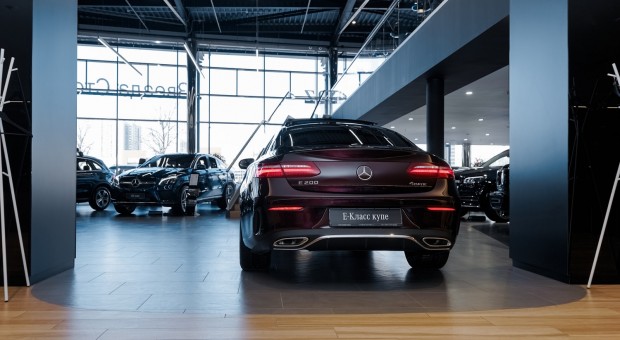
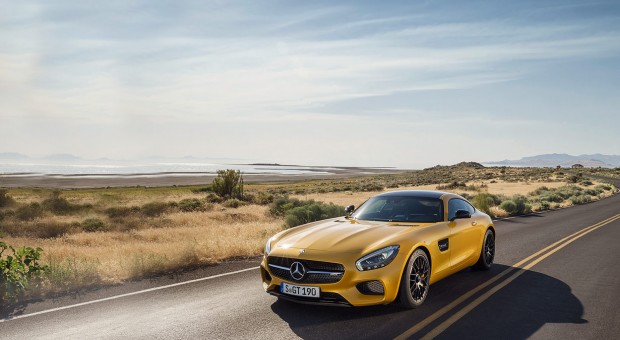
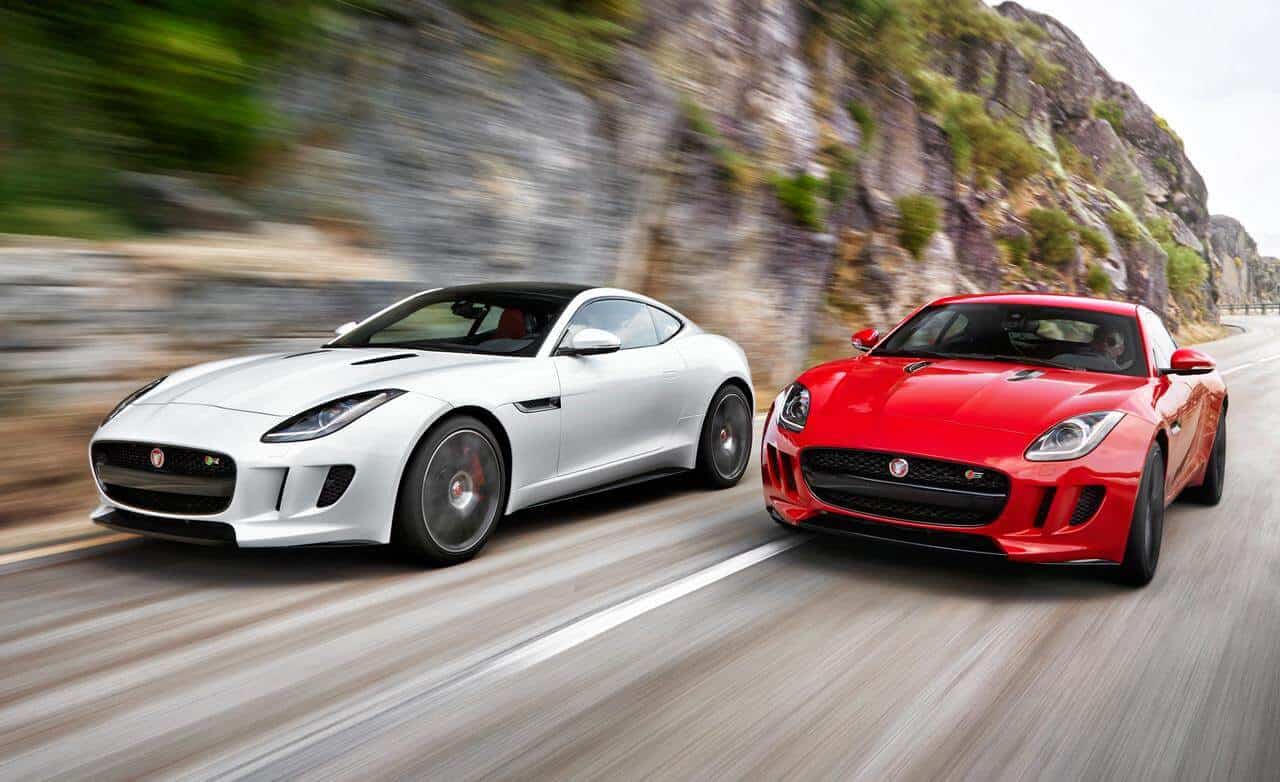
Coupes, on the other hand, are traditionally two-door cars with a sleeker profile. They emphasize sporty handling and aesthetics while often providing a comfortable cabin tailored to driver engagement. Unlike estate cars, coupes focus more on driving pleasure than cargo capacity.
Why Choose an Estate Car or Coupe?
- Estate Cars: Practicality and comfort without compromising on engine power or handling.
- Coupes: Sporty, engaging driving experience with refined interiors.
Key Points: What Makes an Estate Car or Coupe Comfortable and High Performing?
Comfort Features to Look For
- Suspension Quality: Adaptive or multi-link suspension systems absorb bumps and improve ride quality.
- Interior Space: Legroom, headroom, and seat ergonomics matter, especially for longer journeys.
- Noise Insulation: Good soundproofing reduces road and wind noise, enhancing cabin tranquility.
- Climate Control: Dual-zone or multi-zone climate controls boost passenger comfort.
Performance Factors
- Engine Power and Torque: Look for engines with a good balance of horsepower and torque for responsive acceleration.
- Transmission Types: Manual, automatic, or dual-clutch transmissions impact driving style and fuel consumption.
- Handling and Steering: Precision steering and balanced chassis improve cornering and stability.
- Fuel Consumption in City Traffic: Efficient engines reduce running costs, especially in stop-and-go conditions.
Practical Advice for Choosing the Best Estate or Coupe
Match Your Needs with Vehicle Strengths
- If you frequently carry bulky items or travel with family, prioritize estates with larger boot sizes (over 500 liters) and rear seat flexibility.
- For spirited driving and style, coupes with turbocharged engines and sport-tuned suspensions are better suited.
Consider Budget and Maintenance
- New cars offer the latest tech and safety features but can depreciate quickly.
- Used estate cars and coupes from reputable brands often provide excellent value—check for service history and common maintenance issues.
- Diesel engines in estates can offer better fuel economy for long-distance drivers but require awareness of used diesel maintenance, particularly with particulate filters.
Test Drive and Evaluate
- Pay attention to seat comfort and adjustability.
- Evaluate how the car handles typical roads you drive daily.
- Check visibility, parking ease, and boot access, especially for estates.
Common Mistakes When Selecting Estate Cars and Coupes
Overlooking Practicality in Coupes
Many buyers are attracted to the stylish design of coupes but forget to assess the limited rear seat space or cargo room. If you regularly need to carry passengers or luggage, this can lead to discomfort and inconvenience.
Ignoring Long-Term Costs
High-performance engines often come with higher insurance premiums, fuel costs, and maintenance expenses. Budget car for beginners should focus on models with affordable running costs rather than just performance metrics.
Neglecting Fuel Consumption in City Traffic
Some powerful estate cars and coupes may deliver underwhelming fuel economy in urban environments. For daily city driving, prioritizing models with efficient engines and stop-start technology can save money and reduce environmental impact.
Skipping Comparisons and Research
Failing to do a car comparison between similar models can lead to missed opportunities. Comparing trim levels, engine options, and features helps find the best fit for comfort, performance, and budget.
Examples of Comfort and Performance Balance in Estate Cars and Coupes
- Estate Car Example: A mid-range estate with a 2.0-liter turbocharged petrol engine producing around 250 horsepower, adaptive suspension, and over 550 liters of boot space. This setup allows smooth highway cruising with plenty of room for luggage and passengers.
- Coupe Example: A 3.0-liter V6 coupe with around 300 horsepower, sport-tuned suspension, and premium leather seats. It offers sharp handling on twisty roads while keeping cabin noise low for comfortable long drives.
Final Thoughts on Choosing Your Ideal Estate or Coupe
Selecting the best estate car or coupe for comfort and performance requires balancing your lifestyle needs with driving preferences. Estates shine with practicality and family-friendly features, while coupes appeal to those who prioritize style and engaging driving dynamics.
By focusing on critical comfort elements like suspension, interior space, and noise insulation, alongside performance factors such as engine power and fuel efficiency, you can find a vehicle that suits both daily routines and weekend adventures. Always research, compare, and test drive to ensure the best match for your needs and budget.
See also our previous article: What You Need to Know About Car Insurance Before Buying Your Next Vehicle