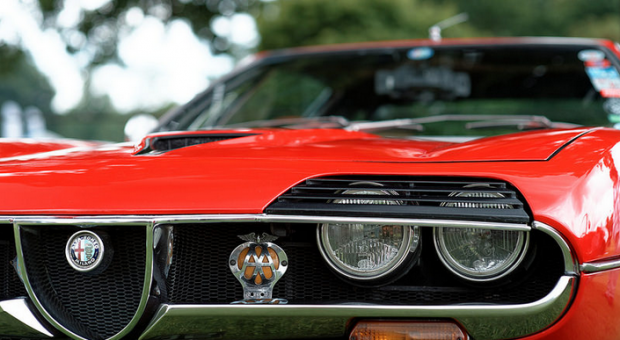
Car Care Mistakes That Slowly Destroy Your Paint and Interior: How to Protect Your Investment
Keeping your car looking fresh and new is a priority for many drivers, especially those who value their vehicle’s appearance and resale value. However, small mistakes in car care can silently damage your paintwork and interior materials over time. Understanding these pitfalls is essential whether you drive a budget car for beginners or a luxury model. This guide explores the most common car care mistakes that harm your vehicle’s exterior and interior, and offers practical advice to help you avoid costly repairs.
Why Proper Car Care Matters: Beyond Aesthetics
Neglecting proper maintenance doesn’t just affect how your car looks; it can also reduce its value and lead to more frequent repairs. For example, faded paint and cracked dashboards are often signs of poor upkeep but can also indicate exposure to damaging elements like UV rays and harsh cleaning products.
- A well-maintained paint job protects the metal underneath from rust.
- Healthy interiors preserve comfort and prevent costly reupholstering.
- Proper care improves fuel consumption in city traffic by maintaining aerodynamic surfaces and clean windows.
Key Points: Common Car Care Mistakes That Damage Paint and Interior
Using the Wrong Cleaning Products and Techniques
One of the biggest errors car owners make is using household cleaners or abrasive tools on their vehicles. Products designed for home use can strip protective wax layers and cause micro-scratches in paint and plastic parts.
- Dish soap and bleach can dry out and discolor leather seats.
- Using a dry towel on a dusty surface results in swirl marks on paint.
- Harsh brushes or sponges can damage the clear coat.
Skipping Regular Washing and Waxing
Neglecting washing your car regularly allows dirt, bird droppings, and road salt to eat away at the paint finish. Waxing creates a protective barrier, but many drivers underestimate its importance.
- Bird droppings are acidic and can etch paint within hours.
- Road salt used in winter accelerates corrosion.
- Waxing every 3–4 months preserves the shine and protects against UV damage.
Parking in Direct Sunlight Without Protection
Prolonged exposure to the sun causes fading and cracking of paint and interiors, especially in new cars or those with darker colors that absorb more heat.
- UV rays degrade paint pigments and cause clear coat peeling.
- Dashboard and leather interiors can dry out and crack.
- Using sunshades or covered parking reduces damage.
Ignoring Interior Cleaning and Conditioning
The interior of your car is subjected to sweat, dirt, and UV exposure. Failing to clean and condition surfaces damages materials over time.
- Leather seats need conditioning every 3–6 months to prevent drying.
- Fabric seats and carpets should be vacuumed regularly to avoid dirt buildup.
- Dashboard plastics crack faster when exposed to heat without protection.
Practical Advice: How to Protect Your Car’s Paint and Interior
Best Practices for Exterior Care
- Wash your car every two weeks, or more often if you live in an area with high pollution or road salt use.
- Use car-specific shampoos that are pH balanced and gentle on paint.
- Dry surfaces with a soft microfiber towel to avoid scratches.
- Apply a quality wax or paint sealant every 3–4 months to protect the finish.
- Consider professional detailing once or twice a year for deep cleaning and paint correction.
Protecting Your Interior from Wear and Tear
- Vacuum fabric seats and carpets regularly to remove abrasive dirt particles.
- Clean spills immediately using appropriate cleaners for leather, vinyl, or fabric.
- Use a UV-protectant spray on dashboards and interior plastics to prevent cracking.
- Condition leather seats with a moisturizing product to maintain suppleness.
- Use sunshades or park in shaded areas to reduce heat buildup inside the car.
Avoiding Common Mistakes When Cleaning
- Never use household cleaning agents like bleach, ammonia, or dish soap on your car.
- Avoid automatic car washes with abrasive brushes; opt for touchless or hand washes.
- Don’t skip rinsing thoroughly after washing to prevent soap residue.
- Avoid cleaning your car in direct sunlight to prevent water spots and streaks.
Understanding Specific Scenarios: Caring for Used Diesel Maintenance and Fuel Efficiency
Used diesel cars, often chosen for their fuel efficiency and durability, require special attention to paint and interior care. Diesel exhaust soot and grime build-up can dull paint if not cleaned regularly. Additionally, these vehicles are often driven in city traffic where stop-and-go conditions increase exposure to pollutants and dirt.
- Regular washing is crucial to remove soot deposits.
- Maintaining clean windows and mirrors improves visibility and safety.
- Interior air filters should be replaced regularly to keep the cabin environment clean.
Final Thoughts on Avoiding Costly Repairs and Preserving Your Car’s Value
Every car owner wants their vehicle to look good and last long, whether it’s a cheap city car or a premium new car. The key to avoiding expensive repairs lies in consistent, proper care that addresses both exterior paint and interior materials.
By steering clear of common mistakes—like using improper cleaners, skipping waxing, and neglecting interior conditioning—you preserve your car’s appearance and comfort. This ongoing maintenance enhances your driving experience and ensures better resale value.
Taking time to learn the right car care techniques today will save you money and stress tomorrow, keeping your vehicle looking its best for years to come.
See also our previous article: Best Combi Cars for Families and Practical Drivers: A Complete Buying Guide