How to Choose the Best New Car: An In-Depth Guide to Smart Vehicle Comparison
Buying a new car is an exciting yet complex decision. With countless models, trims, and features available, understanding how to compare new cars effectively can save you time, money, and disappointment. This guide breaks down the essential factors to consider when comparing new vehicles, helping you find the perfect match based on your needs, budget, and lifestyle.
Overview: Why Comparing New Cars Matters
Choosing a new car isn’t just about picking the flashiest model or the lowest price tag. Proper comparison helps you:
- Understand differences in fuel consumption, especially in city traffic.
- Identify which vehicle offers the best value over time.
- Avoid common pitfalls related to maintenance and depreciation.
- Match your choice with driving habits (e.g., daily commuting vs. weekend road trips).
By approaching your car search logically, you’ll gain clarity on what really matters for your situation and avoid impulsive decisions.
Key Points When Comparing New Cars for Buyers
Fuel Economy and Efficiency: Understanding Real-World Consumption
Fuel consumption in city traffic differs significantly from highway conditions. When comparing new cars:
- Look beyond manufacturer claims; real-world MPG can be 10-20% lower.
- Consider hybrid or electric options if you mostly drive in stop-and-go traffic.
- Compare fuel types (gasoline, diesel, electric) based on local fuel prices and regulations.
For example, a compact hybrid may average 45 MPG in city traffic, compared to 30 MPG for a similar gasoline-only model, resulting in substantial savings over time.
Budget Car for Beginners: Prioritizing Affordability and Practicality
If you are a first-time buyer or need a cheap city car, focus on:
- Low purchase price and insurance costs.
- Simple, reliable technology rather than premium features.
- Good warranty coverage to reduce ownership risks.
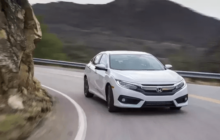
Affordable models like the Toyota Corolla or Honda Civic often balance these factors well, offering easy maintenance and strong resale value.
Performance and Safety Features: Tailoring to Your Driving Needs
New cars vary widely in engine power, handling, and safety technology. Key aspects include:
- Engine size and horsepower suitable for your typical driving (e.g., a 150-hp engine for city driving vs. 250 hp for highway cruising).
- Standard safety equipment such as automatic emergency braking, lane-keeping assist, and blind spot monitoring.
- Crash test results from agencies like IIHS or Euro NCAP.
Prioritize features that enhance your confidence and security behind the wheel.
Total Cost of Ownership: More Than Just the Sticker Price
When budgeting, consider:
- Depreciation: Some cars lose value faster, which impacts trade-in or resale.
- Maintenance and repair costs: New used diesel maintenance, for example, may be higher due to complex technology.
- Insurance premiums.
- Fuel costs based on consumption patterns.
Create a spreadsheet comparing these factors over a 5-year period to get a realistic ownership cost estimate.
Practical Advice for Comparing New Car Models Effectively
Research and Use Reliable Comparison Tools
Online platforms such as Edmunds, Kelley Blue Book, or manufacturer websites provide detailed specs and side-by-side comparisons. Use them to filter by:
- Price range.
- Fuel consumption ratings.
- Safety and technology features.
- User reviews and professional opinions.
Test Drive Multiple Models in Different Conditions
A short test drive at the dealership isn’t always enough. Try:
- Driving in city traffic and on highways.
- Assessing visibility, seat comfort, and ease of controls.
- Checking trunk space and passenger legroom for real-life practicality.
Taking notes during each test drive helps organize your impressions for later comparison.
Evaluate Financing and Incentives
Dealerships often offer manufacturer rebates, low-interest financing, or lease deals. Make sure to:
- Compare the final out-the-door price after incentives.
- Understand loan terms and monthly payments.
- Consider timing your purchase for end-of-quarter or model year clearance events to get better deals.
Consider Future Needs and Upgrades
Think about how long you plan to keep the car and possible life changes:
- Will you need more space for a growing family?
- Are you expecting longer commutes?
- Is advanced connectivity (Apple CarPlay, Android Auto) essential?
Choosing a model with upgrade potential or higher trim levels can increase satisfaction over time.
Common Mistakes to Avoid When Comparing New Cars
Focusing Only on Monthly Payments
It’s tempting to pick the car with the lowest monthly payment, but this can lead to:
- Longer loan terms with more interest paid.
- Higher overall costs.
- Choosing a vehicle that doesn’t fit your lifestyle.
Always look at the total price and ownership costs.
Ignoring Fuel Costs Based on Driving Habits
Don’t assume all economy cars perform equally in fuel efficiency. For instance:
- Fuel consumption in city traffic can double that on highways.
- Diesel models tend to be more efficient on highways but may cost more in city use and maintenance.
Match fuel type and vehicle size to your actual driving.
Skipping Safety Ratings and Features
Safety technology is not optional. Cars lacking advanced driver-assistance systems may compromise your security and affect insurance rates.
Overlooking Long-term Reliability
Some models may look appealing but have costly maintenance down the line. Research reliability ratings and common repair issues before deciding.
Final Thoughts on Making an Informed New Car Choice
A smart new car comparison goes beyond price tags and looks. By focusing on fuel consumption tailored to your driving pattern, total ownership costs, safety features, and practical daily use, you set yourself up for years of satisfaction. Take your time to research, test drive, and weigh long-term benefits to find the vehicle that truly fits your needs. This thoughtful approach transforms the often overwhelming car buying process into a manageable, confident decision.
See also our previous article: How to Buy Your First Used Car Under 3000 EUR: A Beginner’s Guide for USA and Europe