Best SUVs, Pickup Trucks, and City Cars for Everyday Driving: A Practical Guide
Choosing the right vehicle for everyday driving can be challenging with so many options available. Whether you need a versatile SUV, a rugged pickup truck, or a compact city car, understanding the strengths and weaknesses of each type will help you make an informed decision. This guide breaks down the key factors to consider, practical advice for daily use, and common pitfalls to avoid.
Overview: Understanding Your Daily Driving Needs
Everyday driving demands vary widely depending on where you live, your lifestyle, and your budget. For instance:
- Urban commuters often prioritize fuel efficiency and easy parking.
- Families may need spacious SUVs with flexible seating.
- Outdoor enthusiasts or tradespeople might require the durability and cargo capacity of a pickup truck.
Before diving into specific vehicle types, consider your typical driving conditions, such as city traffic, highway cruising, or off-road adventures. This will influence your choice of the best vehicle category.
Key Points to Consider When Choosing SUVs, Pickup Trucks, or City Cars
Fuel Consumption in City Traffic vs. Highway Driving
Fuel economy is a major concern for everyday drivers, especially with fluctuating fuel prices.
- City traffic tends to increase fuel consumption due to frequent stops and idling.
- Highway driving usually offers better fuel efficiency with steady speeds.
SUVs traditionally consume more fuel than city cars, but modern models have improved significantly. Pickup trucks often have larger engines, which may mean higher fuel costs, though diesel variants can offer better mileage.
Budget Car for Beginners and Cost of Ownership
For new drivers, a budget-friendly, reliable city car is often the best start. Consider:
- Lower purchase price
- Affordable insurance rates
- Easy maintenance and repair costs
SUVs and pickup trucks generally cost more upfront and require higher maintenance, but they offer benefits like better safety ratings and versatility.
Space and Practicality: Cargo and Passenger Needs
- SUVs provide ample room for passengers and cargo, making them ideal for families or those needing extra space.
- Pickup trucks shine with their bed space, perfect for hauling equipment or large items.
- City cars focus on compact size to navigate tight streets and parking spots but offer limited cargo capacity.
Safety Features and Driving Comfort
Look for vehicles with advanced safety technologies such as:
- Anti-lock braking systems (ABS)
- Electronic stability control (ESC)
- Multiple airbags
- Driver-assistance features like lane-keeping assist
Comfort is also vital for daily drives, with adjustable seats, good visibility, and noise insulation enhancing the experience.
Practical Advice for Choosing the Best Vehicle for Everyday Use
How to Evaluate Fuel Efficiency for Your Driving Style
- Check official fuel consumption ratings, but remember these are often under ideal conditions.
- Consider real-world user reviews focusing on fuel consumption in city traffic.
- Diesel pickups may provide better mileage but require different maintenance routines.
Balancing Size and Maneuverability
- If you drive mostly in crowded urban areas, a cheap city car with a small turning radius is advantageous.
- For suburban or rural areas, a mid-size SUV or pickup truck may be easier to handle due to more parking space and wider roads.
Assessing Maintenance and Reliability
- Research used diesel maintenance costs if considering diesel pickups.
- Choose brands known for durability to reduce unexpected repair bills.
- Factor in the availability of local service centers and parts.
Considering Future Resale Value and New Cars Trends
- SUVs currently enjoy high demand, often retaining value well.
- Pickup trucks with popular configurations also have strong resale.
- City cars depreciate faster but are cheaper to replace.
Stay updated with car news and car comparison reports to spot emerging trends that may affect your choice.
Common Mistakes to Avoid When Selecting Everyday Vehicles
Overestimating Your Space Needs
Many buyers opt for larger SUVs or pickups “just in case” but end up rarely using the extra space. This can lead to unnecessary fuel costs and higher insurance premiums.
Ignoring Fuel Costs in City Driving
A powerful pickup truck might feel great but could become expensive to run if your daily commute is mostly stop-and-go city traffic.
Neglecting Total Cost of Ownership
Don’t focus solely on the purchase price. Maintenance, insurance, fuel, taxes, and depreciation all add up.
Skipping Test Drives in Real Conditions
Always test drive your shortlisted vehicles in conditions similar to your daily routes to evaluate comfort, visibility, and maneuverability.
Examples of Practical Everyday Driving Scenarios
- Urban commuter: A compact hatchback or a small city car like the Honda Fit or Ford Fiesta offers excellent maneuverability, low fuel consumption (around 30-35 mpg in city traffic), and affordable insurance.
- Family driver: A mid-size SUV such as the Toyota RAV4 or Honda CR-V provides comfortable seating for five, good safety ratings, and cargo space for groceries, sports gear, or luggage.
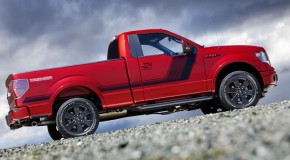
- Tradesperson or outdoor enthusiast: A pickup truck like the Ford F-150 or Chevrolet Silverado with a diesel engine can haul heavy loads and tow trailers, offering around 20 mpg highway but lower in city traffic.
Final Thoughts on Choosing the Best Everyday Driving Vehicle
Selecting the right vehicle for everyday driving boils down to matching your specific needs with the strengths of SUVs, pickup trucks, or city cars. By focusing on fuel consumption, practicality, safety, and cost of ownership, you can find a car that fits seamlessly into your daily routine. Whether it’s the nimble ease of a cheap city car, the versatile space of an SUV, or the rugged utility of a pickup truck, your ideal vehicle is out there—ready to enhance your everyday journeys.
See also our previous article: How to Cut Fuel Consumption in City Traffic: Proven Strategies for Crowded Urban Routes